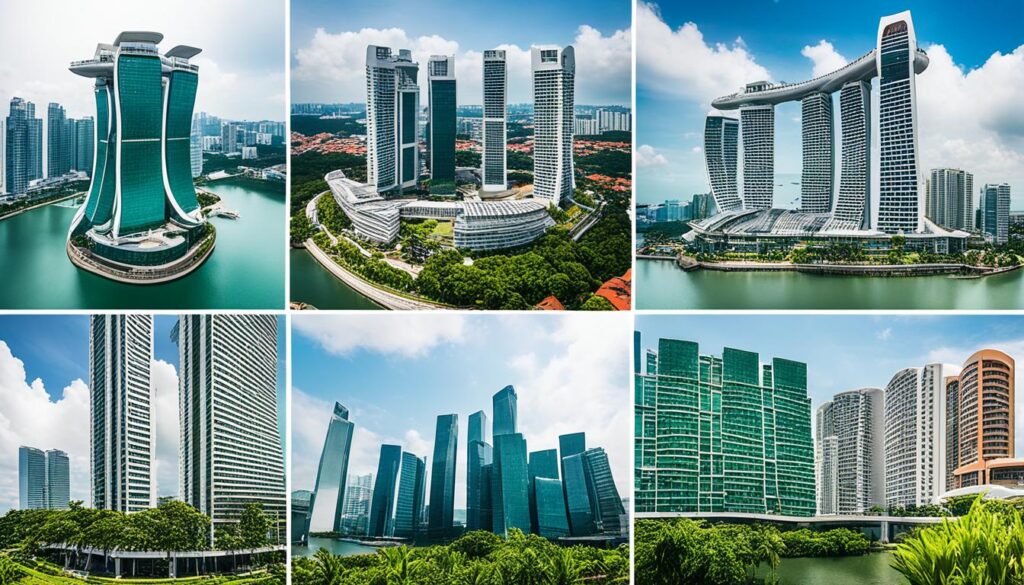
Singapore’s real estate market is a top choice for foreign investors. It’s known for its strong economy and political stability. Despite some cooling measures recently, the market is still attractive for non-Singaporeans. This is according to the UBS Global Real Estate Bubble Index 2023. It ranks Singapore as “fairly valued” when compared to other major cities.
For foreigners, buying property in Singapore can be a wise decision. The market offers various options and the chance for both capital gains and rental income. But, understanding the rules and restrictions is key for non-Singaporean buyers. In this article, we’ll look at important steps for a foreigner to buy property in Singapore.
Key Takeaways
- Singapore’s real estate market offers opportunities for foreign investors despite government cooling measures.
- Foreigners must understand the eligibility and restrictions on the types of properties they can purchase in Singapore.
- Foreigners face additional taxes and duties when buying property in Singapore, including Buyer’s Stamp Duty and Additional Buyer’s Stamp Duty.
- Financing options, such as mortgages, are available to foreigners, but may have different requirements compared to Singaporean residents.
- Hiring a buyer’s agent can be beneficial for foreigners navigating the Singapore property market and legal requirements.
Who is Considered a Foreigner in Singapore’s Property Market?
In Singapore’s property world, a “foreigner” is anyone not fitting several roles. This includes those not holding Singapore citizenship, both individual and collective non-citizens. Thus, for buying property, if you’re not in those specific categories, you’re considered a foreigner.
Non-Singaporean Citizens and Non-Corporate Entities

Those without Singaporean citizenship fall under this broad category. It’s not just about where you’re from; if you’re using visas like for work, school, or family, this applies to you. Plus, it covers non-Singaporean businesses and groups not based in Singapore.
Singapore Permanent Residents’ Status in Property Ownership
Even if you’re a Permanent Resident (PR) in Singapore, you face similar hurdles as others dubbed foreigners. This includes EP holders. Yes, these groups have more freedom than those fully considered foreigners, but they’re not the same as full citizens.
Knowing who falls under the “foreigner” label in the property market is key. It’s info vital for anyone looking to buy or invest in Singapore’s real estate.
Types of Properties Foreigners Can Buy in Singapore
In Singapore, foreigners have many options to buy property. They can buy private properties like apartments or condo units easily. The government does not need to approve this. Also, there’s no limit on how many private properties a foreigner can own.
But, there are some rules. The unit must be in a building under six stories. Foreigners need permission to buy all units in a single building. Buying public housing, which is by the Housing and Development Board (HDB), is not allowed for them.

In the special area of Sentosa Cove, buying landed properties is easier. No prior approval is needed here. But for other parts of Singapore, foreigners need the Singapore Land Authority’s permission to buy landed properties.
Buying private properties in Singapore is not as easy for foreigners as buying landed properties. Public housing and properties in most areas need special permission. Knowing these rules is important for foreigners in Singapore’s real estate market.
Singapore Property: Eligibility and Restrictions for Foreigners
The Singaporean government made rules for the real estate market. They are especially about Foreigners Buying Landed Properties in Singapore. The Residential Property Act (RPA) Singapore is key. It shows who can buy property and what they can buy.
Residential Property Act and Approval Requirements
The residential rules changed in July 2005. Now, foreigners can buy apartments or condos without special approval. But if they want to buy private landed property, like bungalows, they must get approval first. The Singapore Land Authority’s Land Dealings Approvals Unit (LDAU) decides. They look at the buyer’s economic impact on Singapore. This includes their job and how much tax they pay.
Exceptions: Sentosa Cove and Good Class Bungalow Areas
Sentosa Cove is a special place in Singapore. Here, foreigners can buy landed property with quick two-day approvals. But they must live in the house themselves; they can’t rent it out.
Good Class Bungalow (GCB) areas also have special rules. These are the top, most costly places to live in Singapore. Foreigners have limits on buying property in these areas.

The Residential Property Act and its rules aim to keep the market fair. It helps locals and foreigners find homes in Singapore. This way, the housing market meets the needs of everyone who lives here.
Taxes and Duties for Foreigners Buying Singapore Property
Foreigners buying property in Singapore face several taxes and duties. They need to pay the Buyer’s Stamp Duty (BSD) and the Additional Buyer’s Stamp Duty (ABSD).
Buyer’s Stamp Duty and Additional Buyer’s Stamp Duty
The Buyer’s Stamp Duty (BSD) is a tax on property purchases in Singapore. It affects both locals and foreigners. The rate can be from 1% to 6% of the property’s value, depending on the purchase price.
On top of the BSD, foreigners are subject to a 60% Additional Buyer’s Stamp Duty (ABSD). This means their tax rate is notably higher than for Singaporean buyers.
Exemptions for Certain Nationalities
Yet, the ABSD rule isn’t the same for everyone. Some foreigners, like those from Liechtenstein, Iceland, Norway, Switzerland, and the United States, are ABSD-exempt. This saves them a good portion on their property purchase taxes.
For Singapore Permanent Residents (PRs), their ABSD rates are more favorable. They face a 5% rate on their first property, 30% on the second, and 35% on any more. This makes buying property easier and less taxing for PRs.
Financing Options: Mortgages for Foreigners in Singapore
Buying a property in Singapore as a foreigner is exciting but it can be challenging to understand financing. Mortgages for foreigners in Singapore have specific points to consider.
The Loan to Value (LTV) ratio is a key factor for foreigners. It limits how much you can borrow for a home purchase. Depending on age and the loan’s length, foreigners can borrow 55% to 75%. So, foreigners often need a 5% to 10% cash downpayment, more than for locals.
To apply for a mortgage, foreigners follow a process similar to locals. They must show a good credit score, list their assets, and prove their income. These steps aim to help the lender check if the borrower can afford the minimum cash downpayment for foreigners in Singapore.
Although there are these differences, mortgages for foreigners in Singapore can work for those wanting to join the property market. By knowing what’s needed and what’s possible, foreign investors can wisely choose their real estate ventures.
Singapore Property: Hiring a Buyer’s Agent
Buying property in Singapore as a foreigner is easier with a buyer’s agent. This person helps with checking prices, working through paperwork, and managing taxes and fees. Their help is key in making the whole process smoother.
A buyer’s agent offers a lot of benefits in Singapore. They know a lot about the local market, so they can find places that fit your needs and budget. They also have connections and skills to get better deals for you, making your purchase a smart one.
In Singapore, buyer’s agents usually take about a 1% fee from the property’s worth. Even though this adds to your costs, their expert help and bargaining can save you more money, which often makes them a great pick for foreign buyers in Singapore.
Having a buyer’s agent makes buying a property in Singapore smoother. They understand the market well and are skilled at negotiating, helping you get your dream property at a great price.
Popular Areas for Foreigners to Buy Singapore Property
Singapore’s real estate scene has something for everyone, especially those from other countries. Places like Robertson Quay, Sentosa Cove, and Cairnhill are top picks for those investing from abroad.
Robertson Quay is near the water and offers many dining and entertainment spots. It has modern homes by the river, making it a beautiful place to live. This area is close to the city’s main business hub, adding to its appeal.
Sentosa Cove is special because foreigners can buy homes on the ground. It offers a mix of luxury condos and a relaxing resort vibe. This makes it a key spot for those wanting a high-end, calm living space.
Cairnhill is a sought-after area next to Orchard Road’s shopping hub. It boasts luxury condos and classic shophouses. This mix of new and old attracts those looking for premium living with a touch of tradition.
