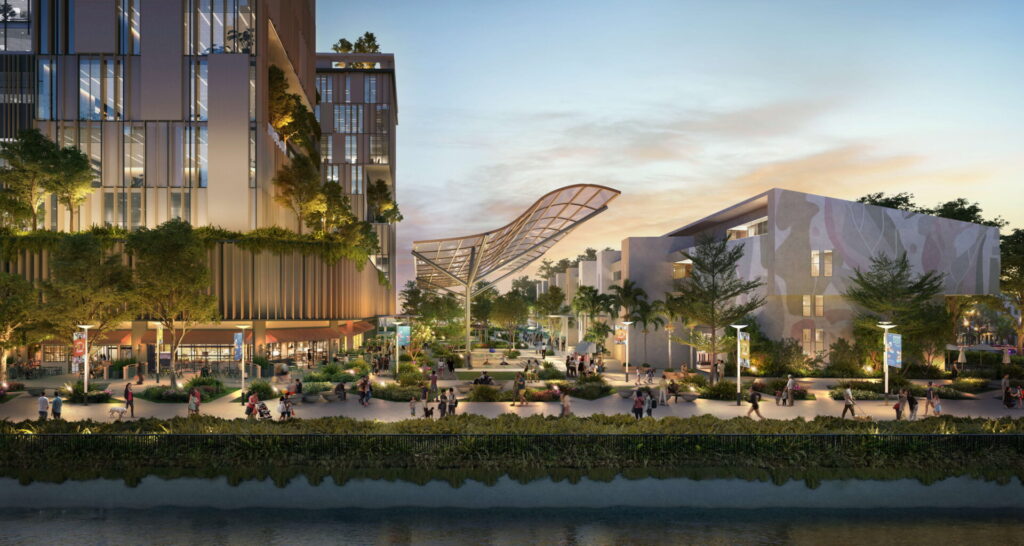
JTC launches an industrial site at Kallang Way, focusing on adaptive reuse. This is the first IGLS site where an old factory is kept and updated for industrial use. It shows how to redevelop sustainably while keeping Singapore’s industrial history alive.
Adaptive reuse is a new strategy for industrial renewal.

JTC is piloting adaptive reuse at Kallang Way IGLS site. This approach is part of its plan to make industrial areas more sustainable. Around the world, old buildings are being turned into new spaces like restaurant and offices.
But, using old industrial buildings for new industrial needs is still new. JTC has a plan to check if old buildings can be used for new industrial needs. This aims to meet social, economic, and environmental goals.
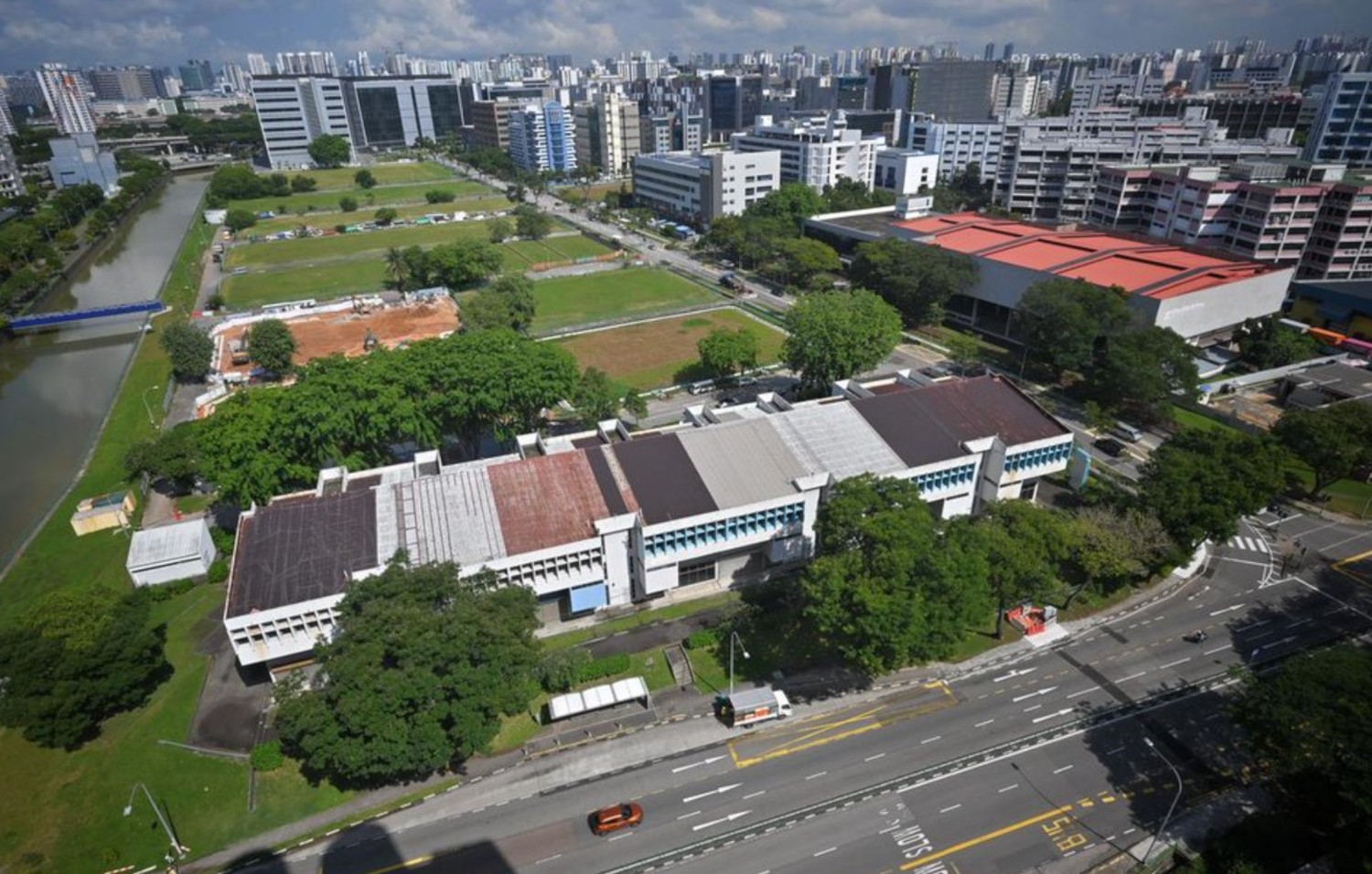
The Kallang Way IGLS tender aims to keep the site’s history and culture alive. It will adapt one block of the site, keeping its unique look. This block, built in the 1980s, is the last of its kind in Singapore.
Its design, including special walls and solar fins, will be kept. This makes it a special part of Singapore’s industrial history. Its location makes it welcoming to the community.
Using the old building cuts down on carbon emissions. Keeping just the first floor of the block can save about 5,000 metric tonnes of carbon. That’s like taking 1,000 cars off the road for a year.
If the whole block is kept, even more carbon will be saved. This shows how reusing buildings is good for the environment.
The site will have a 32-year lease. This gives the developer time to plan and get approvals for the reuse project.
The existing three-storey terrace factory at Kallang Way.
Adaptive reuse is part of a bigger plan to make the area better. It will mix food manufacturing with retail, like F&B, to make industrial spaces lively. This will help the area and the community around it.
Ms Tang Hsiao Ling, Director of Urban Planning & Architecture Division, JTC, said, “JTC is always looking for new ways to use old industrial areas. Our adaptive reuse plan is a big step towards making old areas new again. We want to use what we already have to save the environment and keep Singapore’s industrial history alive.”
Ar. Melvin Tan, President of the Singapore Institute of Architects, said, “We’re excited about JTC’s new plan for adaptive reuse. The block at Kallang Way could become a hub for community activities. We’re ready to create designs that make the area better for everyone. This is a big step for Singapore’s industrial future.”
The Kallang Way site is the last of five sites for the 2024 IGLS Programme. It’s in a food zone to keep food manufacturing space up in Singapore. The site is 4.41ha big and can have about 114,239 sqm of space for various uses.
