In Singapore, commercial property loans are different from home loans. They are for businesses buying commercial real estate. This includes retail spaces, warehouses, and office units. Buying commercial properties can also increase their value and protect against inflation.
The loan-to-value (LTV) limit for commercial properties in Singapore is often higher. It can reach 80% or even 90% in good conditions. But, loan terms are shorter, lasting from 25 to 30 years. Interest rates are also higher because of the risks involved.
Key Takeaways
- Commercial property loans in Singapore cater exclusively to businesses for purchasing commercial real estate assets.
- Commercial properties can appreciate in value and serve as an inflation hedge for business owners.
- Loan-to-value (LTV) limits for commercial properties are often higher than residential loans, up to 80% or 90%.
- Loan tenures for commercial properties are generally shorter, ranging from 25 to 30 years, with higher interest rates due to increased business risks.
- Understanding the differences between commercial and residential loans is crucial for businesses seeking to invest in commercial real estate in Singapore.
Overview of Commercial Property in Singapore
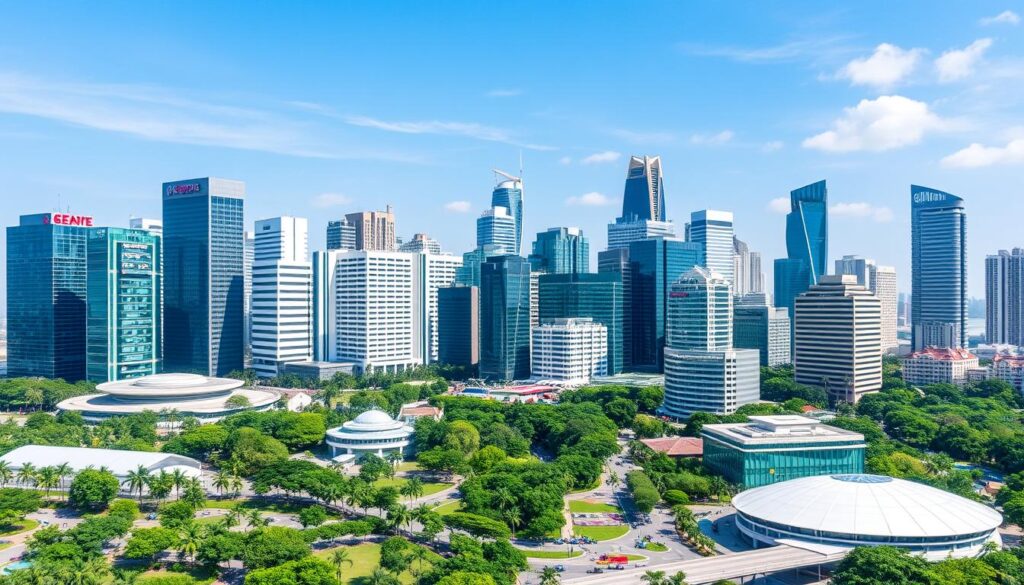
Commercial property in Singapore includes office buildings, retail spaces, and industrial properties. These are key to the country’s strong economy. They attract investors from around the world because of Singapore’s great location and solid infrastructure.

Types of commercial properties in Singapore include retail spaces, warehouses, factories, and office units. Malls and hotels are also part of this market. The market is stable, unlike residential properties, making it a good choice for investors.
Office Buildings in Singapore’s CBD are highly sought after. They house multinational corporations and local businesses. Retail Spaces, especially on Orchard Road, are popular for shopping and dining. Industrial Properties, like warehouses and factories, support Singapore’s manufacturing and logistics.
The commercial real estate market in Singapore is always changing. It’s important for investors and businesses to keep up with the latest trends. This helps them make smart choices when looking at office buildings, retail spaces, or industrial properties.
Types of Commercial Property Loans
Understanding the different Financing Solutions for commercial property in Singapore is vital for businesses. Bank Loans are a common choice, offering mortgages for buying or refinancing properties. These loans can cover up to 80-90% of the property’s value, with interest rates between 3.2% and 4.5% annually. Government-backed loans might have better terms for certain projects.
Bridging Loans are great for businesses needing quick cash before getting long-term financing. These loans are designed to meet specific business goals. The right loan depends on the property type, business needs, and the borrower’s finances. Other options like commercial real estate blanket loans or hard money loans offer flexibility and fast access to funds.
When choosing a loan, commercial property owners in Singapore must weigh the terms and conditions carefully. This ensures the loan fits their business goals. Knowing the details of these Financing Solutions is crucial for finding the best loan for your needs.

Key Factors Affecting Loan Approval
Getting a loan for commercial properties in Singapore involves more than just the Total Debt Servicing Ratio (TDSR). Lenders look at the market, risks, and expected returns. This is different from residential loans.
Creditworthiness and financial health are key. Lenders check income statements, cash flow, and future plans. The property’s type, size, and location also matter. Accurate valuations are needed to assess the collateral.
Businesses must meet certain requirements to get commercial loans in Singapore. They need to be locally incorporated for 12-24 months. Also, at least 30% of the company must be owned by a Singaporean citizen or permanent resident. The annual turnover should be $20 million or less.
Lenders offer fixed and floating interest rates for commercial property loans. Floating rates are tied to the Singapore Overnight Rate Average (SORA). The economic climate affects loan availability and rates, with a positive outlook leading to better rates.
Interest Rates on Commercial Property Loans
Commercial property loans in Singapore have higher interest rates than residential ones. This is because they carry more business risks. Banks offer both fixed and variable rates to meet the needs of investors.
Fixed-rate loans keep payments steady for a set time, usually 1 to 3 years. Then, they switch to a floating rate. Variable rates are tied to the Singapore Overnight Rate Average (SORA), replacing SIBOR and FDR.
The lowest fixed interest rate for commercial loans is 2.50% for loans over $500,000. For a 2-year fixed period, the floating rate starts at 3M SORA + 0.70 (2.80%). It goes up to 3M SORA + 2.00 (3M SORA + 3.00) in the third year and after.
Investors need to think about interest rate trends and how they affect loan costs. Choosing between fixed and variable rates can greatly impact the loan’s total cost.
With interest rates expected to drop, especially for floating loans, it’s crucial to seek advice. If your loan rates are set to expire in 6 months, you might find better rates. These could match the economic cycle better.
The Loan Application Process
Getting a commercial property loan in Singapore needs a detailed and ready application. Lenders ask for many documents, like financial statements and business plans. They also want property appraisals and legal papers.
For properties that make money, like office buildings, a rent roll is key. This shows who the tenants are and what they pay.
It’s important to be careful when applying for a loan. Mistakes can cause delays or even mean the loan is not approved. Getting help from experts can make sure everything is right and the application is strong.
One big hurdle for investors is knowing what lenders want. In Singapore, loans often need at least 30% ownership by locals. Also, the company must be at least 12-24 months old to qualify.
Smart investors use online tools like Lendingpot. It helps them compare loan rates and terms from different lenders. This way, they can pick the best option for their Commercial Real Estate and Office Buildings projects. It helps them make better choices based on Market Analysis.

Comparing Loan Offers
When looking at financing for retail, industrial, or investment properties in Singapore, it’s key to compare loan offers. You should look at interest rates, loan length, fees, and charges. These details are important.
Lenders often have a 2-3 year lock-in period. This means selling your property during this time can cost you. It’s important to know about penalties for early repayment and balloon payments. To get better terms, show your investment success, a solid business plan, and ask for changes in loan details.
By looking at offers from several lenders, you can find the best loan for your needs. This loan should match your financial goals and the specifics of your property in Singapore.
Commercial loans in Singapore can last from five years to 20 years. The loan term is often shorter than the amortization period. Lenders want a debt-service coverage ratio (DSCR) of at least 1.25. This ensures the property can cover its mortgage payments.
Commercial loan interest rates are usually higher than residential rates. There are also various fees, like appraisal and legal fees. Commercial loans might have rules on early repayment to protect the lender’s expected earnings.
Legal Considerations in Commercial Property Loans
Understanding the legal side of commercial property loans in Singapore is key to protecting your investment. It’s important to have the right documents and follow the rules. Zoning laws, leasing agreements, and property management are all part of the legal framework for commercial real estate.
Before you get a loan, do your homework on the property. This means checking for environmental issues and making sure the building plans and permits are okay. The legal papers are the backbone of the loan, outlining everyone’s rights and responsibilities.
Getting legal advice from a pro is a smart move when dealing with commercial real estate loans. A good lawyer can help you understand property laws, negotiate contracts, and meet regulatory needs. They help you make smart choices and safeguard your investment.
Knowing the legal aspects of commercial property loans helps you avoid risks and follow the rules. It ensures your investment in Singapore’s commercial real estate can thrive. Paying close attention to legal details can lead to a successful and secure loan experience.
Financial Implications of Commercial Property Loans
Investing in Commercial Real Estate in Singapore can be very rewarding. It offers stable prices, higher rental returns (around 5%), and lower property taxes (10% for non-residential properties). When considering this investment, think about potential growth, rental income, and taxes.
The loan terms for Commercial Property can affect your return on investment (ROI). Commercial Property Loans often have lower interest rates than personal loans. But, remember to include costs for property upgrades and maintenance to keep your property competitive.
Buying Commercial Real Estate as an individual can come with extra costs. You’ll need to pay Goods and Services Tax (GST) if the seller is GST-registered. Also, the Buyer’s Stamp Duty (BSD) for non-residential properties is 5% for valuations over $1.5 million. Sellers of industrial properties might face Seller’s Stamp Duty due to the speculative nature of these properties.
On the other hand, buying under a company name can offer tax benefits. You can deduct mortgage interest and claim capital allowance on depreciation. But, this option requires more paperwork, like filing accounts and corporate tax, and more administrative tasks.
Conclusion: Making Informed Decisions
To make smart choices in commercial property financing in Singapore, you need to do your homework. Understanding the local real estate market is key. Working with real estate agents, financial advisors, and lawyers can offer great advice. They help you through the complex steps of investing in commercial properties.
The world of commercial property financing is changing. We might see more digital loan processes, a focus on green buildings, and new rules for foreign investors. Keeping up with market news, economic trends, and rule changes is vital for success in Singapore.
Investors should mix market research, financial analysis, and legal advice to make good choices. This approach helps match your investment goals and risk level. Whether you’re experienced or new, staying current with market trends and best practices is crucial in Singapore’s complex commercial property financing scene.
