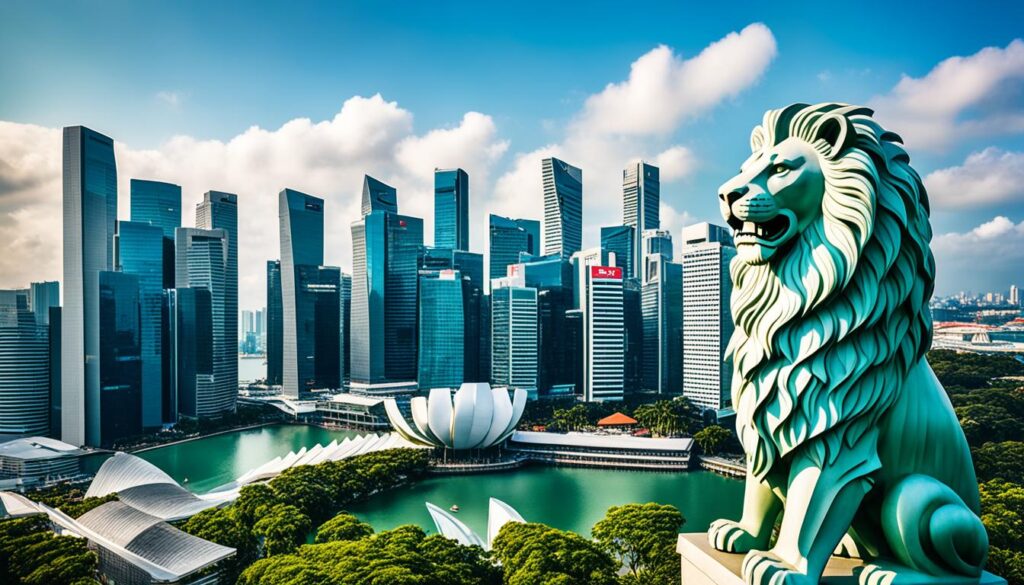
Buying a home in Singapore can seem overwhelming. Yet, with the right legal know-how, it becomes easier to decide wisely. This article will provide key legal advice to help you smoothly navigate the Singapore real estate world.
Whether looking at a condo, a house, or considering investment properties, knowing the legal facts is key. You’ll learn about the various property types, financing, and legal needs. This information will empower you to make smart choices and achieve your home-buying goals in Singapore.
Key Takeaways
- Familiarize yourself with the various property types available in Singapore, including public housing (HDB flats) and private residential properties.
- Understand the eligibility criteria for property ownership in Singapore, including specific requirements for foreign buyers.
- Explore the utilization of CPF savings for property purchases and be aware of the associated withdrawal limits and regulations.
- Navigate the legal considerations involved in Singapore property transactions, including due diligence and professional guidance.
- Investigate financing options, such as HDB loans and bank loans, and compare interest rates and loan features to find the best fit for your needs.
Understanding Property Types in Singapore
Singapore has many types of homes, from public to private. Public housing, or HDB flats, is the main type of home. These flats get a lot of help from the government. They can only be bought by Singaporeans and PRs who fit certain rules. These rules are about age, family size, and income.
Public Housing (HDB Flats)

HDB flats are very common in Singapore. They make sure most people can find a home they can afford. The HDB, which is run by the government, builds and cares for these homes. To buy one, you must follow certain rules set by the HDB.
Private Residential Properties
Besides HDB flats, there are also private homes. This includes condos, apartments, and landed houses. They are built by private companies. They can be bought by anyone who qualifies, including locals, PRs, and foreigners. There are specific rules to follow to buy these homes.
Executive Condominiums, or ECs, are special homes in Singapore. They mix the benefits of public and private housing. They offer good prices and nice features. They are a great choice for some people looking to buy a home.
Eligibility Criteria for Property Ownership
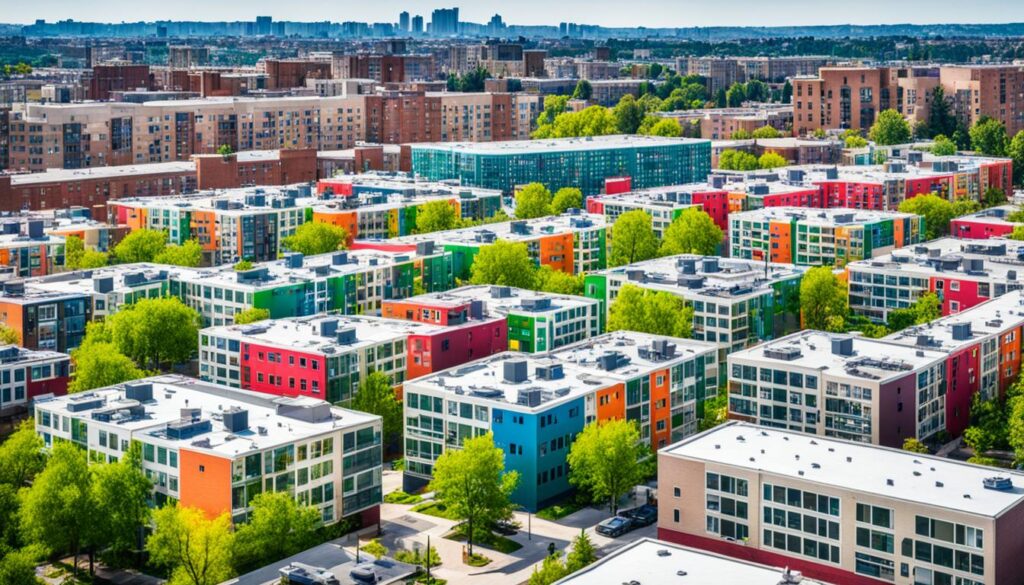
Buying property in Singapore means you need to know the rules. The requirements change with the type of property and the buyer’s citizenship. Knowing these rules is key to a good property deal.
Singapore Property Ownership Eligibility focuses on HDB flats. These are for Singaporeans and permanent residents mainly. Individuals need to meet age, family, and income rules. This makes sure public homes go to those who really need them.
For Singapore Permanent Resident Requirements about private homes, the rules are more open. Both citizens and permanent residents, as well as foreigners, can buy. However, foreigners might have more steps to follow, especially for landed homes. This opens up the private market to more people.
Singapore Citizenship Requirements are also vital for owning property. For some homes, like landed houses, there might be extra steps for foreign buyers. They need special approvals before they can buy.

Knowing the property rules helps buyers make smart choices. Real estate professionals can also guide you through the buying process. This way, you can purchase a property in Singapore smoothly.
Utilizing CPF Savings for Property Purchase
In Singapore, the Central Provident Fund (CPF) system is key for citizens and permanent residents to buy property. Through CPF savings, they can pay for initial costs, ongoing mortgage, and related charges of their new home.
CPF Withdrawal Limits and Regulations
Yet, rules limit how much can be taken from CPF for property buys. These rules consider property type, remaining lease, and buyer’s age. Knowing and following these limits is vital for a smooth CPF for Singapore Property Purchase process.
For example, buying a HDB flat allows up to 120% of the property’s value from CPF. But, the property’s lease must cover the full loan term, about 30 years. Age also affects withdrawal limits depending on the property and how CPF is used.
Learning about CPF Housing Grants and rules is a must for Singaporean buyers. This knowledge helps them use their CPF well for buying a home. By following the right steps, they can purchase the home they want confidently.

Singapore Property: Navigating Legal Considerations
Buying a property in Singapore means understanding a lot of laws. You need to know about contracts and who owns what. It’s important to check the property well. Make sure the papers are real and the home is in the right shape.
When you buy a home, look at the Singapore Property Contracts clearly. You must know what’s in your contract, like who can use the property and what you can or can’t change. Talking to experts can keep you from making big mistakes.
Doing your Singapore Property Due Diligence is also key. This includes checking the property inside and out. Look into its past and make sure everything is good now. It’s also smart to see if the property is worth your money.

Understanding the ins and outs of buying property in Singapore is important. Expert advice and help from real estate and legal pros are crucial. They can make sure things go smoothly and safely, protecting your investment.
Applying for Housing Grants and Subsidies
Singapore’s government helps homebuyers with housing grants and subsidies, especially for HDB flats. These benefits make buying a home easier by offering financial support. They include various Singapore Housing Grants, CPF Housing Grants, and HDB Purchasing Schemes.
CPF Housing Grants for Different Purchasing Schemes
The CPF Housing Grant is a significant benefit. It’s tailored for various types of homebuyers. For example, the Family Grant assists married couples or families buying an HDB flat. Meanwhile, the Enhanced CPF Housing Grant helps first-time buyers with lower incomes more.
The Proximity Housing Grant supports those who want to live close to their family members. This encourages strong family connections. These grants are part of different HDB Purchasing Schemes, like those for public housing and various family types.
It’s essential to know about grant eligibility and options. This knowledge can help Singapore’s homebuyers use their financial aid wisely. It ensures they can make well-informed choices when buying a home.
Financing Options: HDB Loans vs Bank Loans
In Singapore, homebuyers can choose between HDB loans and bank loans. Each type of loan has its unique features. By comparing them, you can pick the one that suits your financial needs best.
Comparing Interest Rates and Loan Features
HDB loans have fixed interest rates. This means you will pay the same each month, making budgeting easier. You can also borrow up to 90% of a property’s value with HDB loans. However, bank loans have rates that can change. They might be lower than HDB rates. You can borrow up to about 80% of the property’s value with a bank loan. But, bank loans offer more flexibility, like the chance to pay off your loan early without fees.
When looking at HDB Loans Singapore and Bank Loans Singapore, compare interest rates, down payments, and how much you can borrow. Also, look into penalties for paying off the loan early. This detailed look will help you decide which loan is right for you and your future financial plans.
Due Diligence and Property Inspection
Buying a property in Singapore is a big step. It’s vital to do your homework and check the property out well before buying. This involves looking into who really owns the property. It also means getting important papers from the seller and checking the property’s condition. This can uncover any problems or mistakes that might change your mind about buying.
The Singapore Property Due Diligence means making sure the ownership is legally sound. It includes checking papers like the lease, permits, and maintenance logs. Doing this verifies there are no hidden troubles or legal issues.
The Singapore Property Inspection is crucial. Hiring a building expert can reveal the property’s real state. You learn about its structure, systems, and any needed fixes. This info helps in bargaining a fair price or spotting issues that might make you walk away.
Checking Property Ownership Verification is also key. You must make sure the seller is the real owner. And that there are no debts or problems tied to the property. This ensures you’re buying safely and without extra worries.
By being diligent, you can protect your money and make a smart buy in Singapore. Time and work on checking and inspecting pays off. It avoids surprises and avoids issues that can lead to legal or money loss troubles later on.
Seeking Professional Guidance
The Singapore property market can be tricky, especially if you’re buying a home for the first time. Getting help from Singapore Real Estate Professionals, like Property Agents Singapore and Real Estate Lawyers Singapore, is crucial. They bring a wealth of experience to guide you through buying your property.
These experts are deeply familiar with the real estate scene in Singapore. They offer tips to make smart choices. They’ll help you with the legal stuff and smooth over any bumps in the road. Their advice could save you from making costly errors.
Working with these professionals means you’ll understand the market better. They’ll explain different types of properties and how to finance them. They’ll also guide you on everything you need to know, like who can buy, how to use CPF, and any government help available.
