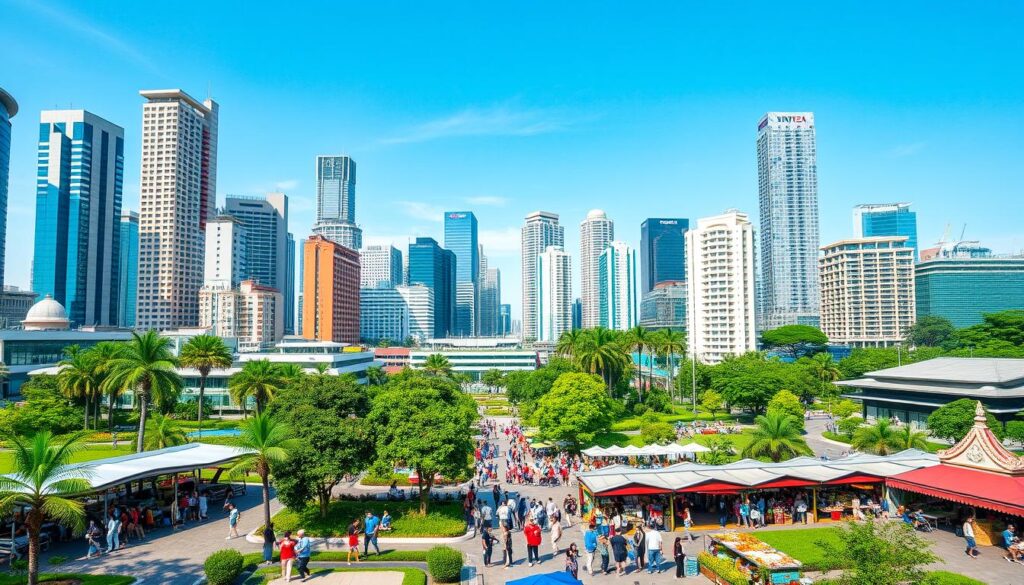
The Singapore property market is set to grow by 4.5% in 2025. This growth is thanks to a stable economy and government plans. Demographic changes, like more people moving to cities, will shape the market.
The market is strong, attracting investors and homebuyers. It’s supported by a solid economy, government strategies, and smart development.
As Singapore’s population hits 6.04 million, housing demand is rising. The government plans to build 23,000 public flats in 2023. This is part of their effort to keep housing stable.

About 80% of Singaporeans live in HDB flats. The HDB Smart Hub, launched in 2016, aims to improve living standards. The market is expected to see trends like more people moving to suburbs and a focus on green living.
More high-net-worth individuals are moving to Singapore, with 3,400 in 2023. This brings the total to 244,800 millionaires. The number of single-family offices has also grown, from 400 in 2020 to 1,400 by 2023.
Rental yields in Singapore range from 2.5% to 3.5% per year. This makes the property market an attractive place for investment.
Understanding Singapore’s Demographic Landscape
Singapore has over 6 million people, with most living in public housing. The government works hard to keep up with housing demand. About 80% of Singaporeans live in HDB flats, with a homeownership rate of 89.30%. By 1965, HDB built over 51,000 homes for about 400,000 people.
The number of people living alone in Singapore is rising. In 2020, 16% of people lived alone, up from 12.2% in 2010. Lone parent households also grew, from 6.5% in 2010 to 7.3% in 2020. This means more people want smaller homes, like shoebox flats.
When you’re thinking about buying property in Singapore, remember the aging population. By 2020, 15% of people were 65 or older. This will increase demand for smaller homes, like studio apartments for the elderly. These homes are 36 to 45 square meters.
The government’s plans, like the Concept Plan and Master Plan, are key to the singapore real estate market. These plans guide land use and development in Singapore. As the population grows, it’s important to think about how this affects the buy property in singapore market and the city’s layout.
The Rise of Smaller Households
Singapore’s demographic landscape is changing, with more people living in smaller households. This shift is due to changing lifestyles and a desire for convenience and affordability. As a result, there’s a growing interest in smaller units, like those in a singapore condo.
The average household size in Singapore has dropped from 4.25 in 1990 to 3.11 in 2023. This shows a big move towards smaller family sizes.
Recent data shows a 38.2% increase in households with three or fewer members. This rise is seen in the sales of smaller flats. For example, 740 two-room flats were sold from January to November 2023, almost double the 388 units sold in 2020.
The median price of a two-room flat has also gone up. It rose from $238,000 in late 2020 to $353,000 in late 2024. With a 51.6% population increase from 1990 to 2023, the demand for singapore property for sale, mainly smaller units, is expected to stay high.
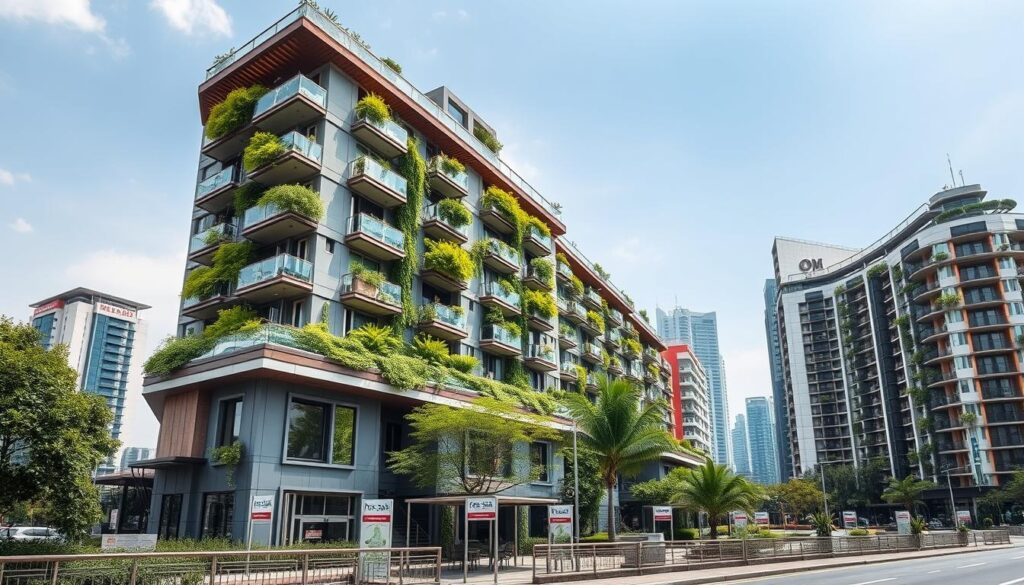
The trend towards smaller households is changing the property market. There’s a need for more efficient space use and flexible living options. As this trend continues, the demand for smaller units, like those in a singapore condo, will likely stay strong. This will drive growth in the singapore property for sale market.
Generational Changes in Homeownership
The singapore property market is changing, and so is homeownership. Millennials and Gen Z want affordable, flexible homes that are good for the planet and the community. This change will shape the future of singapore property investment.
More young people are looking to buy homes in Singapore. But, prices have gone up a lot in the last three years. Now, homes cost about 13.7 times what the average family earns, making it hard for many to buy.
Even with these challenges, there are chances for investing in singapore property. The focus on affordable, green homes is a big opportunity. Keeping up with singapore property news is key. By understanding these changes, investors can find good chances to make money.
Urbanization and Its Effect on Property Prices
Urbanization is making property prices in Singapore go up. More people want to live in cities for the convenience and amenities they offer. Mixed-use developments are popular because they provide a range of benefits for residents.
These developments are in high demand. As a result, property prices are going up. In 2023, property prices are expected to rise by 3% to 5%. There was a 6.5% increase in private residential property prices in 2023.
HDB resale prices have seen an average growth of 7% each year from 2020. Singapore’s small land area affects housing supply. 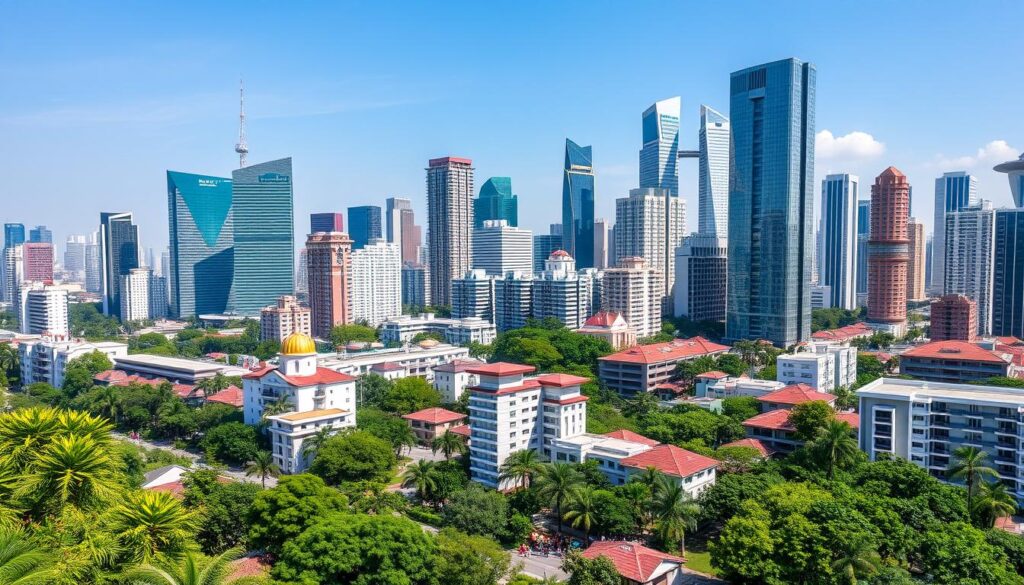
The property market in Singapore is expected to keep growing. The government is working to prevent speculation and stabilize the market. Policies like the Additional Buyer’s Stamp Duty (ABSD) and Loan-to-Value (LTV) ratios are helping. This makes Singapore a reliable investment compared to other global markets.
The Role of Technology in Property Management
Technology is changing the singapore real estate market. It makes buying property in singapore easier. AI and Big Data help in making better decisions and predicting trends.
AI finds patterns and predicts property values. This helps in making smart investment choices. Virtual Reality lets people see properties online, making buying easier from anywhere.
Smart homes and IoT devices make living better. They save energy and keep homes safe. Blockchain makes buying and selling safer and more transparent.
Technology is key for real estate pros to stay ahead. Online platforms list properties, offer virtual tours, and make the market more open. As the singapore real estate market grows, technology’s role will be even more vital for buyers.
Impact of Government Policies on Property Demand
The government’s policies greatly affect the demand for singapore property for sale, mainly in the singapore condo market. Over 80% of Singapore’s people live in public housing. The government’s efforts to make housing affordable and stable are key.
The Additional Buyers Stamp Duty (ABSD) for foreign buyers was raised to 60% in April 2023. This move has cut down on speculative investments and boosted local buyer confidence.
The Total Debt Servicing Ratio (TDSR) and Loan-to-Value (LTV) ratios help prevent financial overextension. The Government Land Sales (GLS) program releases land for bidding twice a year. This allows the government to control land supply and affect property prices.
These policies have helped keep the property market stable and affordable. This makes singapore property for sale more appealing to local buyers.
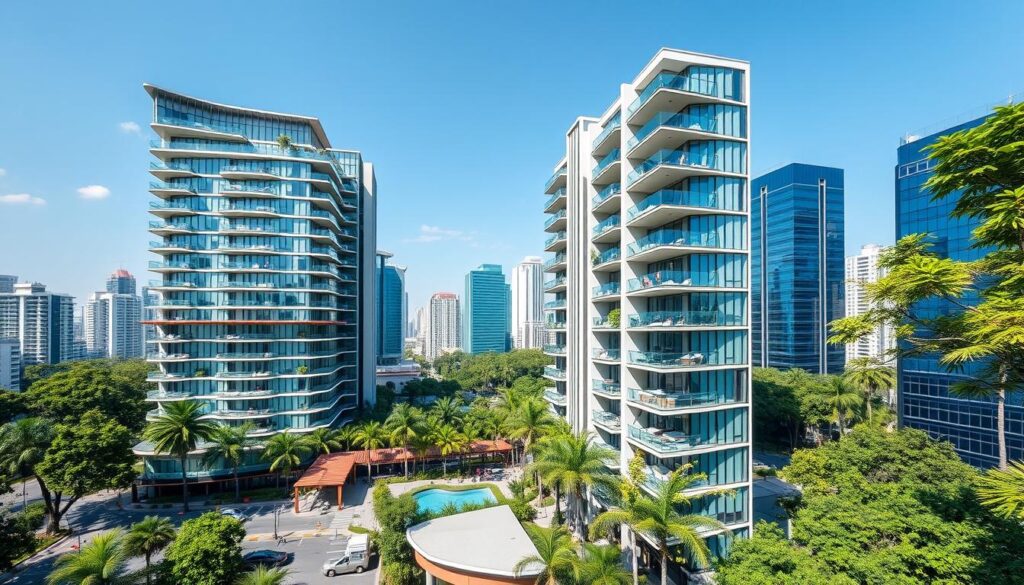
The government’s social policies, like the Ethnic Integration Policy (EIP) and Enhanced CPF Housing Grants, also shape property demand and prices. The proximity Housing Grants encourage families to live near each other, improving neighborhood cohesion.
With the forecasted Residential Property Price Index growth, demand for singapore property for sale is expected to stay strong. This is driven by both local and foreign investors.
The Shift Towards Sustainable Living
Singapore’s property market is moving towards sustainable living. This change is thanks to the government’s efforts to cut carbon emissions and support green buildings. Sustainable properties are becoming more valuable and sought after, which is good for property investment.
Buildings in Singapore are responsible for over 20% of the country’s carbon emissions. This shows why sustainable development is so important. The trend in property news shows more developers are adding green features to their projects.
For example, they are placing windows in smart ways to let in more natural light and air. They are also using air wells in buildings to improve air quality and reduce the need for artificial lighting.
The focus on making buildings greener is expected to increase property values over time. This makes investing in Singapore’s property market more appealing. The government aims to have 80% of buildings classified as ‘green’ by 2030.
More people are looking for energy-efficient homes. In fact, two-thirds of home buyers worldwide prefer homes that save energy. This trend is not just good for the planet but also for the economy.
Switching to sustainable housing could lead to new job opportunities and boost economic growth. As the property market in Singapore grows, sustainable living will play a bigger role in investment decisions.
Emerging Popular Neighborhoods
Singapore’s property market is changing, with areas like Bukit Timah, Bishan, and Woodlands growing fast. These places are becoming more popular because of their good amenities and infrastructure. This supports the prices in the singapore property market.
The government’s investment in these areas is also boosting property values. For example, Bukit Timah is famous for its top schools. Bishan has a great MRT network and is family-friendly. Woodlands is seeing a lot of government investment in its infrastructure, making it a hot spot for property investment.
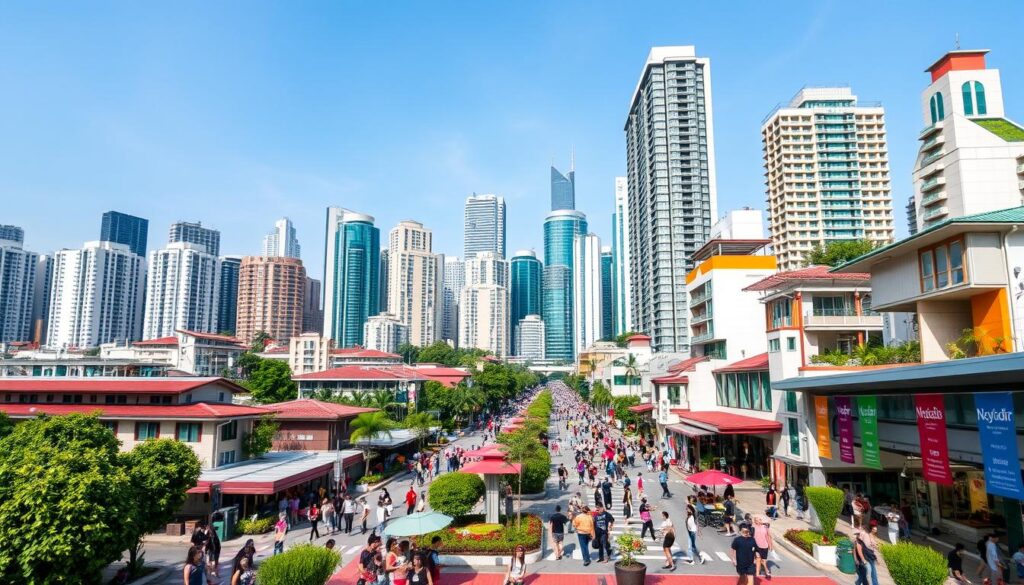
Other areas like the East Coast, Jurong East, and Punggol are also gaining popularity. The East Coast is a favorite among expatriates, which means steady rental demand. Jurong East is set to become Singapore’s second CBD with lots of infrastructure improvements. Punggol, part of Singapore’s “smart city” plan, offers lower prices for investors, attracting those looking to save money in the singapore property market.
These emerging neighborhoods are expected to fuel growth in the property market singapore. Their unique features and amenities make them appealing to buyers and investors. As the singapore property market keeps evolving, these areas will likely shape the city-state’s real estate scene.
Investment Opportunities in a Changing Market
Singapore’s real estate market is expected to grow by 4.5% in 2025. This growth is due to strong demand and a stable economy. Investors can find great opportunities in areas like Marina Bay and Orchard Road, where prices could hit SGD 3,500 per square foot.
The rental market is booming, with high demand and limited supply. Investors can benefit from this, aiming to make the most money while taking on less risk. Rental yields average around 3.2%, showing a rise in demand, mainly in prime spots. The market goes through a roughly 5-year cycle, promising long-term growth.
When considering buying property in Singapore, it’s key to look at current trends and government policies. The Additional Buyer’s Stamp Duty (ABSD) for foreign buyers was raised to 60% in April 2023. Yet, with interest rates around 2.5% and LTV limits for private homes at 75%, there are investment chances in the Singapore real estate market.
The changing property market in Singapore offers investment chances. With the right strategies and understanding of the rental market, investors can make informed decisions. As the market expands, staying updated and adapting to changes is vital for maximizing returns.
Future Outlook for Singapore’s Property Market
The future of Singapore’s property market looks bright. Experts predict it will grow even more in the next few years. By 2029, the market could hit USD 64.04 billion, growing at 9% annually until 2027.
This optimism comes from the expected rise in wealthy individuals worldwide. By 2028, there could be 28.1% more, with Singapore leading in Asia-Pacific. The country’s wealth threshold is set at US$5.2 million.
Even with global economic ups and downs, Singapore’s condo market is expected to stay strong. Prices could rise by 13.7% in the second half of 2023. Investors can find good deals, like lower prices for executive condominiums compared to private homes.
There’s also a high demand for new projects. As Singapore focuses on sustainable living, expect more eco-friendly and energy-saving properties. This shift will shape the property news and trends.
In summary, Singapore’s property investment future looks good. There are many chances for smart investors to benefit from the market’s growth and changing trends.
