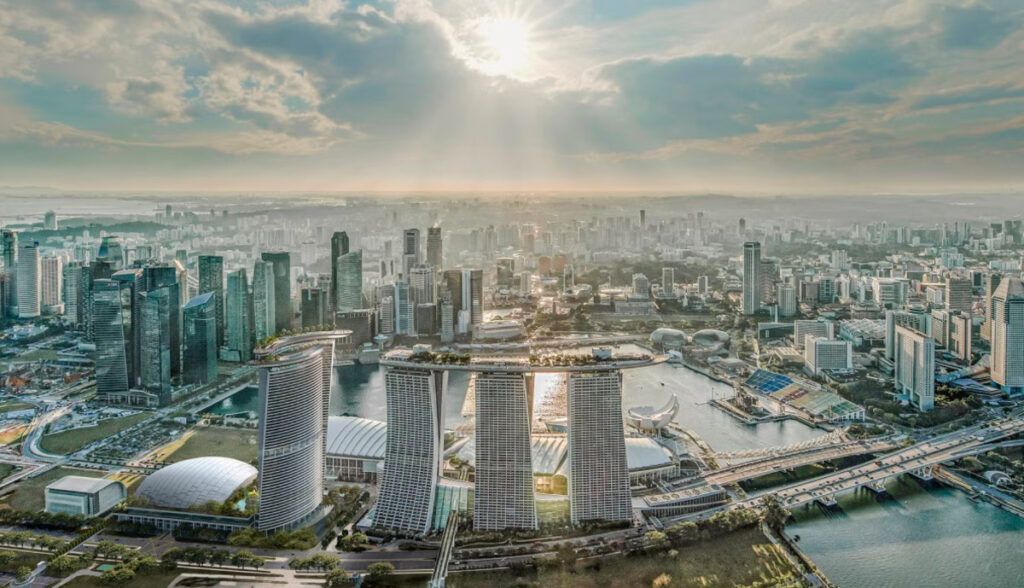
Singapore’s property prices are well-known for being high. They often reach the same levels as Hong Kong and London. The Economist Intelligence Unit (EIU) Cost of Living survey even ranked it as the top in the world, along with Zurich. But, the survey might not include all the things that make living expensive for people in Singapore.
Understanding the Worldwide Cost of Living Survey
The Economist Intelligence Unit’s (EIU) Worldwide Cost of Living survey helps HR professionals know the living costs for people moving to different countries. But, it might not show the real challenges that everyday Singaporeans face.
Methodology behind EIU’s Cost of Living Survey
The EIU survey helps companies decide on pay for employees in other countries. It looks at the cost of over 200 items but not at tax, housing prices, or rent. This can make the survey results not quite fit the actual situation in Singapore.
Components and Weightages of the Survey

The most important parts of the EIU survey are what you buy (25%), how you get around (19.5%), and what you do for fun (18%). This includes things like playing golf, eating at fancy restaurants, and buying cars. Such things don’t match the spending habits of most people in Singapore.
Property prices in Singapore
Singapore’s housing market has many different kinds of homes. Each type has its own prices. From expensive rentals in the city center to more affordable public housing, it’s important to know the options.
Rental Costs in Central and Fringe Areas
In places like Tanglin and Marina Bay, rent can go from $3,718 to $11,155 a month. This is like New York’s Upper East Side or Wall Street. But, in places like Farrer Park and Marine Parade, rent is cheaper. These areas are still close to the city center, about 5 to 15 minutes away by train.
Housing Development Board (HDB) Flats
HDB flats are the main kind of public housing in Singapore. They are a budget-friendly choice for many. Prices depend on where the flat is, how big it is, and what it offers. The availability of HDB flats helps keep housing in Singapore affordable.
Private Condominiums and Landed Properties
Living further from the center, you’ll find condos, apartments, and houses for rent. These can be cheaper than areas like Shepherd’s Bush in London or Brooklyn in New York. Private housing choices have more luxury. They offer amenities that HDB flats do not have.
Tax Rates for Individuals and Businesses
Singapore offers some of the best tax rates in the world for both people and companies. For foreign workers, there’s a personal income tax rate that changes with how much you earn, up to a top rate of 24%. This is much lower than the 45% rate in the UK. What’s more, if you make money from working outside of Singapore, you won’t be taxed on it here. Countries like the UK do tax your foreign income. Singapore also uses a digital system for filing taxes. It makes everything quicker and simpler for everyone, whether you’re an individual or a business.
Personal Income Tax in Singapore
Foreigners living and working in Singapore pay a personal income tax that varies with their income, going up to 24%. Compared to the United Kingdom’s high of 45%, this is good news. The system here is set up to be easy and fast for everyone to file their taxes, including businesses.
Taxation of Foreign Income
Singapore welcomes people from around the world with open arms, especially when it comes to money earned outside the city-state. If you work and earn money elsewhere, you won’t have to pay taxes on that income in Singapore. This rule is a big draw for those who make money globally. It makes Singapore an enticing place for talented people and businesses from any part of the world.
property prices in Singapore
Singapore’s buses and MRT trains make moving around easy and affordable. It’s known for having one of the world’s cheapest public transportation systems.
The average MRT fare per trip is just $1.49 for adults. A month’s commute will cost you about $60. Compared to New York, where fares start at $2.90, or London, where they can be as high as $6.06, Singapore is much cheaper.
Public Transportation and MRT Fares
Getting around Singapore is quite affordable, especially with its MRT system. This mode of transport is cost-effective and efficient.
Car Ownership Costs and Alternatives
Owning a car in Singapore can be expensive because of the COE. This is an extra fee every car owner must pay, costing around $75,000 for a sedan. Such costs help make Singapore’s cost of living high. Yet, there are alternatives like rental services, taxis, and ride-hailing. They offer budget-friendly options to those who don’t need a car all the time.
Food and Dining Expenses

Singapore’s food scene is rich and varied. You can eat at simple hawker centers or enjoy fancy restaurants. The price you pay for food in Singapore changes a lot depending on where you eat. Meals at hawker centers and food courts, offering local and international dishes, typically cost between $2.23 and $7.42. You can grab a local favorite like “kopi” for just $0.45 to $1.08.
Hawker Centers and Food Courts
Hawker centers and food courts are must-visits in Singapore. They offer lots of tasty, budget-friendly local food. With food stalls everywhere, these places are perfect for trying Singapore’s food variety. Here, a meal usually costs between $2.23 and $7.42.
Restaurant Dining Costs
If you’re looking for fine dining, Singapore has something for every budget. A casual meal might cost between $15 and $26 per person. But, if you’re up for something special, places like Odette offer 7-course dinners for $311-$446 per person, without wine. Such high-end dining shows why Singapore is a top foodie destination.
Grocery Expenditure
Groceries for one person in Singapore could cost between $171 and $298 each month. You can save by shopping for fresh produce at wet markets. These markets are cheaper than supermarkets. With different shopping options, people in Singapore can balance their food budget well.
Healthcare and Insurance Costs
Singapore has great public healthcare that takes care of its people very well. But if you’re not a local, you might face higher costs. Most people moving to Singapore for work get health insurance from their employers to help with this.
Public and Private Healthcare Options
In Singapore, the public healthcare is top-notch. It offers everything from traditional Chinese medicine to the latest in medical treatments. Although foreign patients pay a bit more, the clear pricing helps them plan their budget.
Health Insurance Premiums
Private health insurance here is not expensive, starting at just $370 per year. This coverage can pay for hospital stays and surgery, up to about $1,500 each year. Such affordable plans make healthcare in Singapore reachable for many.
With a strong public healthcare system and cheap health insurance, everyone in Singapore can get good medical treatment without spending too much.
Comparing to Other Major Cities
Singapore stands out as one of the priciest cities worldwide for property. It’s second only to Hong Kong for expensive homes. Comparing it to places like London, New York, and Tokyo, living in Singapore costs a lot more.
Singapore’s high living costs come with some good points. People can find affordable housing in the public system. Plus, the country’s transport makes it easy to get around. Its role as a key financial hub and limited space also add to the price tag.
Despite the Singapore property prices vs other cities, the city’s housing affordability Singapore vs other cities is helped by its public options. Cost of living in Singapore vs other cities might be high, but good affordable choices and a stable economy shine. This makes it a good pick for living and investing.
