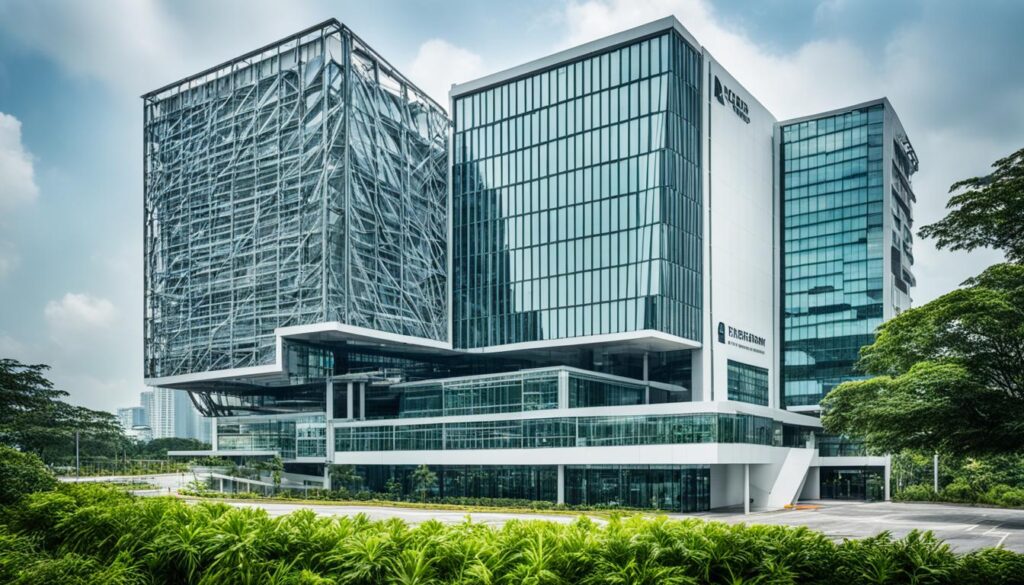
Thinking of expanding or investing differently? Buying industrial real estate in Singapore can be smart. It’s crucial to know the market well. This guide will focus on essential things to think about when buying industrial property in Singapore. It covers types of properties, laws, financial aspects, lease lengths, and how to invest. Knowing these key points can guide your decisions and boost your investment success.
Key Takeaways
- Singapore’s industrial property market offers diverse options, from B1 properties for offices and warehouses to B2 properties for heavier industries.
- Foreign investors enjoy the same privileges as local buyers in the industrial property market, with no restrictions on ownership.
- Financing industrial property investments involves considerations such as property tax, stamp duties, loan criteria, and additional costs like GST.
- Shorter lease tenures for industrial properties, compared to residential properties, can impact financing and investment strategies.
- Factors like location, lease tenure, and intended use are crucial in evaluating the profitability of an industrial property investment.
Types of Industrial Properties in Singapore
Singapore has a rich mix of industrial real estate. It caters to various business needs. This includes different types of property, such as B1 and B2 industrial properties. Knowing the differences is key for those looking to invest in industrial property in Singapore.
B1 Industrial Properties
B1 properties support light and clean businesses. They are great for offices, warehouses, and logistics sites. These spots offer room for both work and storage, ideal for companies needing both. They usually come with extras like showrooms and meeting spaces. This setup serves technology, research and development, and service-based fields well.
B2 Industrial Properties

B2 properties are best for heavier industries. Think of these as homes for manufacturing or factories. They are designed for big, specialized machines and operations. These spots require sturdy setups and higher roofs. They are usually found in special industrial areas, aimed to meet strict rules on environmental and industrial guidelines.
For those planning a technology transfer hub, a manufacturing site, or to grow warehouse and logistics areas, understanding B1 and B2 properties is vital. It helps in matching your intellectual property rights with the right industrial real estate in Singapore.
Legal and Regulatory Framework for Industrial Property
Singapore welcomes foreign investors to its industrial property market with open arms. Here, they can buy industrial properties just like the local buyers. This friendliness makes Singapore a hotspot for those looking to invest globally in industrial real estate.
Foreign Ownership of Industrial Property
Buying industrial real estate in Singapore is equally easy for foreign buyers and locals. This helps international companies and people who want to grow in the country feel welcome. Knowing the rules means foreign investors can smoothly make the right choices.
Zoning Regulations and URA Master Plan
Foreign ownership is allowed, but it’s essential for investors to follow certain rules. They must make sure their property use matches the URA Master Plan. Doing so prevents issues and ensures a smooth investment experience.
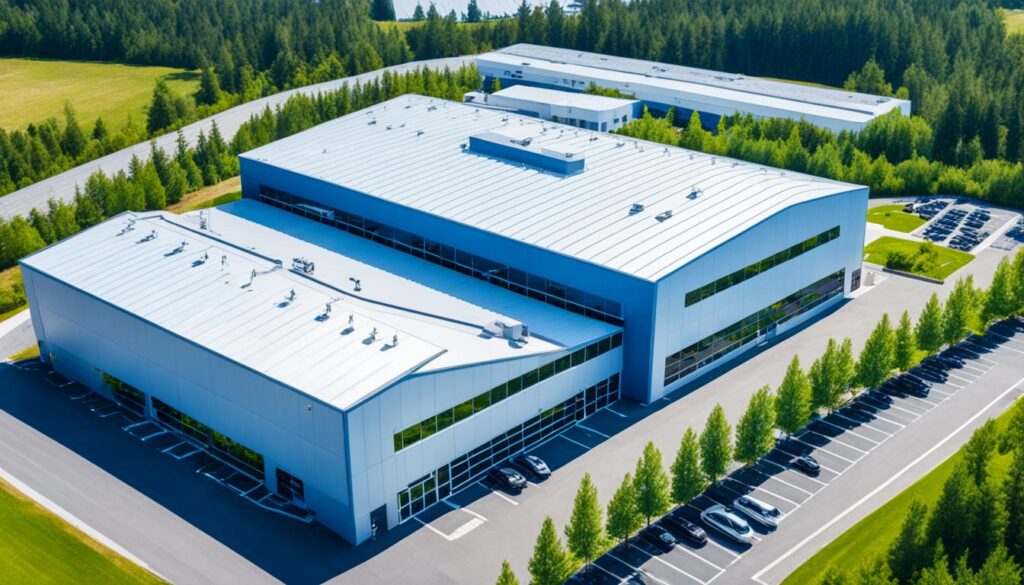
Financial Considerations for Industrial Property
Thinking about buying industrial property in Singapore? You need to look at a few important financial aspects.
These properties have a 10% property tax based on their value each year. When you buy, you must also pay a Buyer’s Stamp Duty (BSD). If you sell within the first 3 years, a Seller’s Stamp Duty (SSD) is charged.
Financing Options and Loan Criteria
Unlike homes, loans and financing for industrial properties are different. The terms, rates, and repayment time for commercial loans are limited to 30 years. This can change your investment and finance plans a lot.
GST and Additional Costs
There’s also a 9% Goods and Services Tax (GST) on industrial properties in Singapore. You can’t pay this tax with CPF or bank loans. Make sure to include this cost in your budget and finance plan.
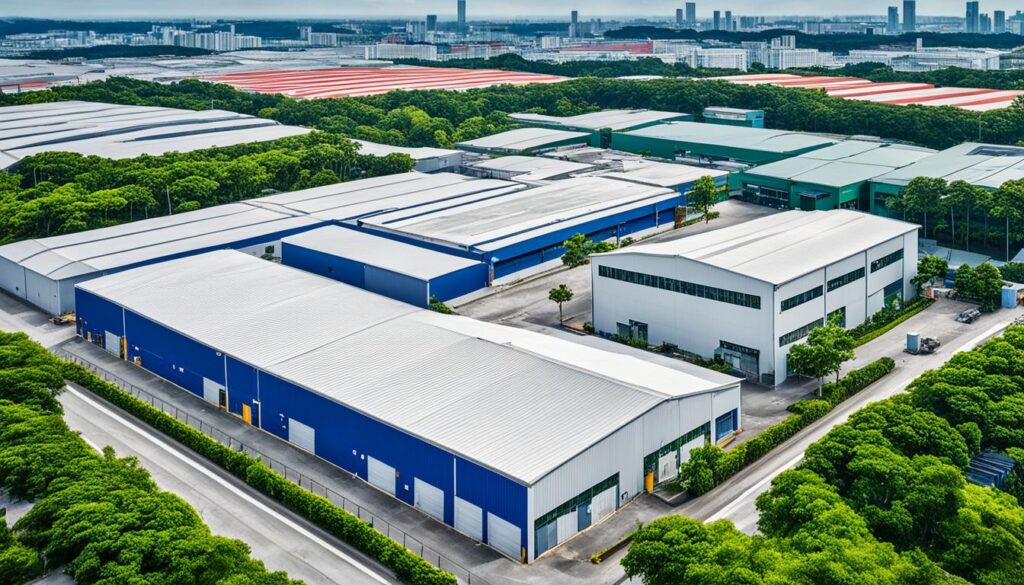
Industrial Property Lease Tenures
In Singapore, industrial properties usually have shorter lease periods. They might be for 30 or 60 years. There are some with unlimited time, but they are rare and not in the best locations. The length of the lease affects how you could pay your loan and the chances of earning money back or selling the property.
When you look at industrial property, the length of the lease is super important. A short lease can make it hard to get a long loan that you can afford each month. Also, when you want to sell, a short lease might mean you get less money.
It’s key for investors to really understand the lease terms of industrial properties. Thinking about how long it will last and where it is can help you make smarter choices. This kind of thinking can guide your investment plan and help you meet your financial goals.
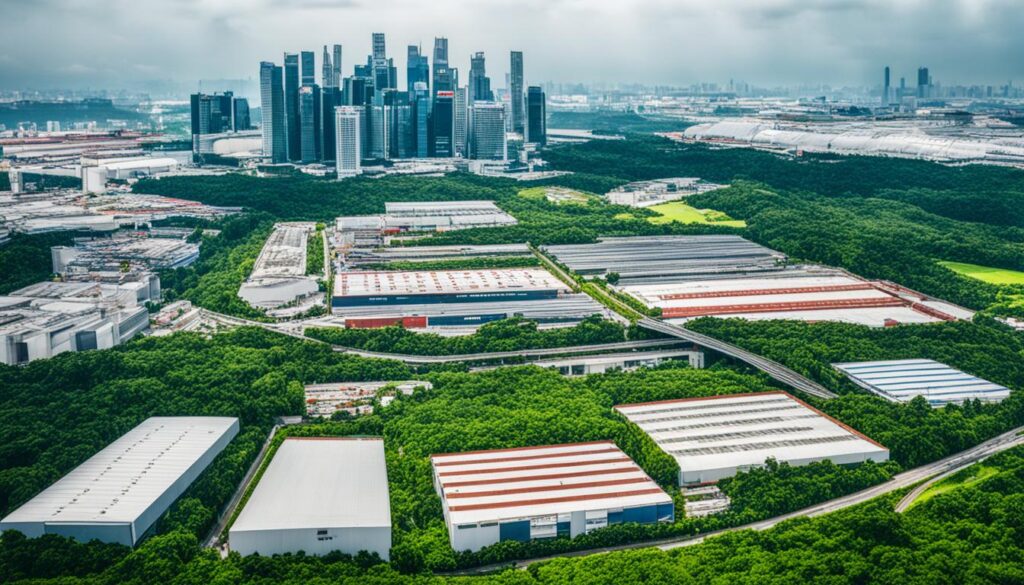
Investing in Industrial Property
Thinking about investing in industrial property in Singapore? It comes with great chances and things to think about. One plus is there’s no Additional Buyer’s Stamp Duty (ABSD) for these places. This can be good news for people who already own two homes. Also, the rent you can earn from industrial properties is normally higher than from houses, sitting around 5% to 6%.
But, industrial properties are not without their challenges. They tend to cost more to keep up and have rules on what you can do with them. It’s important to look at the location, how long you’ll be able to use the place, and what you plan to do there. These things will help you figure out if buying an industrial property is a smart move.
You’ll also need to learn about things like patents, technology rights, and how to turn new ideas into money. Making these moves right can help you do well in the world of industrial property.
The government in Singapore puts a big focus on supporting new ideas through patents and trademarks. This is good for businesses in the industrial scene. Keeping up with the latest about how to sell or use these rights is key. It could make a big difference in how your industrial property investment does over time.
