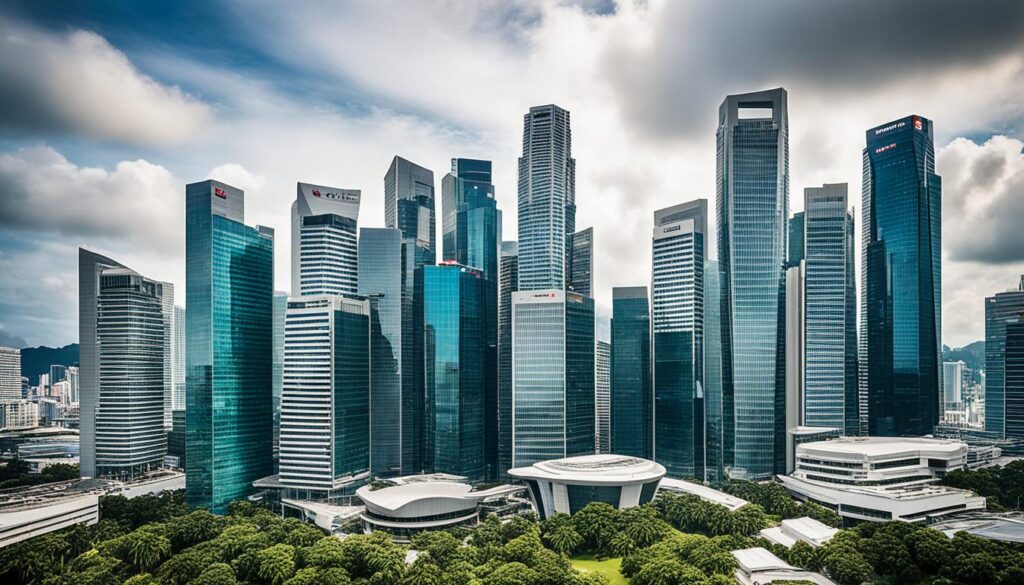
The Singapore commercial property sector has grown a lot in recent years. It’s a key spot for global trade and business. This has drawn investors and companies from everywhere. In 2023, new challenges and chances are emerging.
Key Takeaways
- Singapore’s commercial property sector faces both opportunities and challenges in 2023.
- Inflation, supply chain disruptions, and cost control are key factors shaping the industrial and logistics sectors.
- E-commerce, cold storage, and data centers are driving growth in the commercial property market.
- Sustainability and technological advancements are emerging as priorities for real estate industry players.
- Investing in REITs, development projects, and strategic partnerships offer opportunities in the commercial property market.
Key Trends Shaping Singapore’s Commercial Property Landscape
Inflation is changing Singapore’s commercial scene. It’s making raw materials, labor, rent, and electricity more expensive. This is pushing businesses in the industrial and logistics fields to find new ways to make a profit. Many are turning to cost-saving technologies like automation and energy-efficient systems. This helps them fight off the challenges of inflation and keep up with the competition.
Inflation’s Impact on Industrial and Logistics Sectors
Inflation is hitting the industrial and logistics sectors hard in Singapore. Companies are finding ways to improve their activities. They’re using cost saving technologies, automation, and energy-efficient systems to handle the rising costs. This move helps them to stay ahead of their competitors.
Building Resilience to Supply Chain Disruptions

Recent global trade issues and politics have shown the importance of supply chain resilience in Singapore. Businesses are reassessing their strategies and looking for stable, reliable locations. Singapore, with its open way for the flow of goods, and connectivity worldwide, becomes a preferred destination. It’s appealing for businesses wanting to make their supply chains stronger and less risky.
Cost Control as a Business Priority
The push from inflation makes cost control crucial for companies in Singapore. They’re looking into ways to make their operations leaner and more efficient. This includes things like consolidating their facilities and using lean manufacturing processes. They’re also relying on data analytics to make smarter decisions. These steps are key in helping businesses protect their market positions and profits in tough times.
Sectors Driving Growth in 2023
E-commerce is growing fast. This is increasing the need for warehouses and distribution centers in Singapore. With more people shopping online, the demand for these spaces is also growing. This is good news for those looking to invest in the industrial and logistics sectors.
E-commerce Fueling Demand for Warehouses and Distribution Facilities
The e-commerce boom is making warehouses and distribution centers more important. Singapore needs these places to store and send products efficiently. As more people buy things online, the demand for these spaces will keep rising. This offers great chances for developers and investors alike.
Expanding Cold Storage Needs
The food and pharmaceutical industries in Singapore are getting bigger. They need are driving the need for more cold storage. More cold storage is needed to keep goods at the right temperatures. This opens up new opportunities within the Commercial Property, Commercial Real Estate, Industrial Properties, and Logistics Sectors.
Rising Demand for Data Centers
Our reliance on digital technology is growing. This is increasing the demand for data centers. Singapore already has many data centers. Yet, as digital services and cloud computing grow, more will be needed. This trend is creating opportunities within the Commercial Property, Commercial Real Estate, Industrial Properties, and Logistics Sectors.

The Commercial Property Outlook for 2023
The rise in e-commerce means more people want goods delivered quickly. This has led to a big need for places to store and move products, like warehouses, in Singapore. So, developers are working hard to create top-notch storage spaces for both global and local companies. These places include state-of-the-art warehouses and centers for sending off products. With limited space, multi-story warehouses are also becoming more popular in Singapore.
Strong Logistics Facilities Demand
E-commerce is driving up the need for good places to store and send out goods quickly. This has created a big demand for modern warehouses and distribution centers. Developers are quick to meet this need, focusing on building these vital spaces for businesses. The goal is to keep up with the changing demands of the Commercial Property, Commercial Real Estate, and Industrial Properties sectors.
Revitalization of Older Industrial Estates
Older industrial areas in Singapore need a facelift to stay competitive. Leading real estate firms can step in to turn these places into hubs for modern businesses. By using these old spots in new ways, Singapore can make the most of its land. This approach helps the environment and supports long-term growth in the Industrial Properties and Commercial Real Estate markets.
Emphasis on Innovation and Technology
The Fourth Industrial Revolution is changing the way Singapore does business. There’s a growing need for smart and tech-filled industrial spaces. These places will be in high demand among companies that are looking ahead. The government is also supporting this by pushing for new technology and innovation. This wind of change is creating new kinds of industrial hubs, like research centers and data facilities. They’re here to meet the needs of a fast-growing Logistics and Commercial Property industry.
Sustainability: A Key Focus Area
The future of Singapore’s commercial property, commercial real estate, industrial properties, and logistics sectors will be heavily influenced by sustainability. Both developers and occupiers are focusing on green building practices, energy efficiency, and waste reduction. This change will help Singapore reach its environmental goals. It will also increase value for businesses and investors by boosting operational efficiency, cutting costs, and raising competitiveness.
There’s a rising need for sustainable and eco-friendly commercial spaces. Companies in the industrial properties and logistics sectors are using more green building practices. They incorporate things like energy-efficient systems, renewable energy sources, and smart waste solutions. This move supports Singapore’s green efforts and helps businesses stand out.
Adopting sustainability involves using fewer resources and harming the environment less. Companies are turning to technologies and methods that cut down on energy use, waste, and water use. These steps lead to a cleaner future and make companies more cost-effective and competitive.
Investment Opportunities in Commercial Property
The Singapore commercial property scene holds great chances for smart investors. There are many ways to invest, from REITs to new and revamped projects. You can take part in the growth and changes seen in the industrial and logistics fields.
Real Estate Investment Trusts (REITs)
Investing in industrial and logistics REITs is a good idea for growth. These REITs own a mix of properties, like warehouses and office spaces. With the growing need for better industrial spaces, these REITs could see more income and their assets rise in value.
Development and Redevelopment Projects
Joining in to build or renew industrial spaces can be very rewarding. With companies wanting newer spaces, building top-notch warehouses and parks can pay off well. Redeveloping old spaces can also create value by making them more appealing and effective.
Joint Ventures and Strategic Partnerships
Working with local developers in joint ventures can be beneficial. It allows investors to use local knowledge and find great chances. These setups help by sharing both resources and risks, making it easier to reach mutual goals.
Implications for Real Estate Industry Players
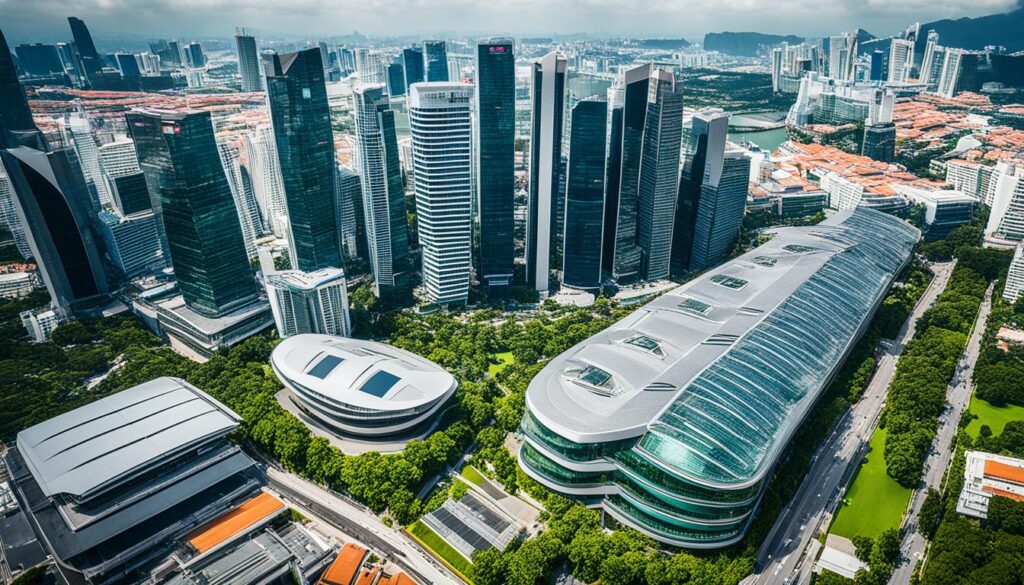
The changing commercial scene in Singapore affects big players in real estate. Companies like CapitaLand, Sembcorp, and CBRE see new chances. They can use their skills to meet the growing need for better industrial, retail, and logistics spaces.
CapitaLand, Sembcorp, and CBRE have a lot to offer with their vast property portfolios. They can build new warehouses, distribution centers, and industrial parks. These will have the latest tech and be eco-friendly. It will make their properties more valuable and attract a mix of tenants, from e-commerce to data centers.
Revitalization of Older Industrial Estates
The giants in real estate can breathe new life into older industrial sites in Singapore. They aim to make them modern and efficient for today’s businesses. This not only updates older places but also uses the land better, keeping the industrial sector strong for the future.
Collaboration and Partnerships
These real estate leaders know working together is the key. By teaming up with local developers and investors, they can find new chances. This helps everyone make the most of Singapore’s industrial and logistics business.
Commercial Property Trends to Watch in 2024
The commercial real estate scene in Singapore is getting ready for a unique year. Different areas like the office, retail, and industrial sectors are showing intriguing trends. These developments will likely influence the commercial property look in 2024.
Office Market Recovery and New Supply
More people are doing transactions in the office market, pointing to a recovery. But, a big influx of new office spaces might make it hard for businesses to fill them. This could keep rental prices down. Many businesses might not expand their office space due to tight budgets and job cuts.
Resurgence in Retail and Consumer Spending
Retail is making a strong comeback with fewer empty stores and more leases being signed. This bounce back is thanks to people spending more and returning to stores. Places like Orchard Road in Singapore could see stronger rents this year. Yet, expensive mortgages and high prices might slow spending for some.
Resilient Industrial Sector Amidst Supply Influx
The industrial property scene has been going strong since late 2020, even with less demand due to rising interest rates in 2023. More space coming up might slow the rate of rise in rents and prices. Still, the need for factories and warehouses will remain high due to increasing manufacturing and supply problems.
Navigating the Commercial Property Market
The Singaporean commercial real estate world is full of unique chances and challenges. These challenges include rising costs of building materials and insurance. There’s also a big push for sustainability and following strict ESG rules. Besides, it’s important to update old technology and systems. To navigate this world, one must be cautiously hopeful, adaptable, and think ahead.
Investors, be they big institutions or small players, need to watch out for several things. They should pay attention to returns, sustainability, and new tech. They also need to follow the rules and understand how the economy affects their investments. Keep an eye on these areas to find great investment options and understand Singapore’s commercial real estate.
In this changing market, those who can quickly adjust, use new tech, and focus on being sustainable and legal will thrive. Being flexible and forward-thinking lets investors and developers make the most of the Singapore commercial property market. It’s all about seizing the many changing opportunities.
Source Links
- https://www.incorp.asia/blogs/what-s-trending-singapore-commercial-property-space-2023/
- https://www.businesstimes.com.sg/property/singapore-industrial-strong-growth-prospects-no-easy-ride
