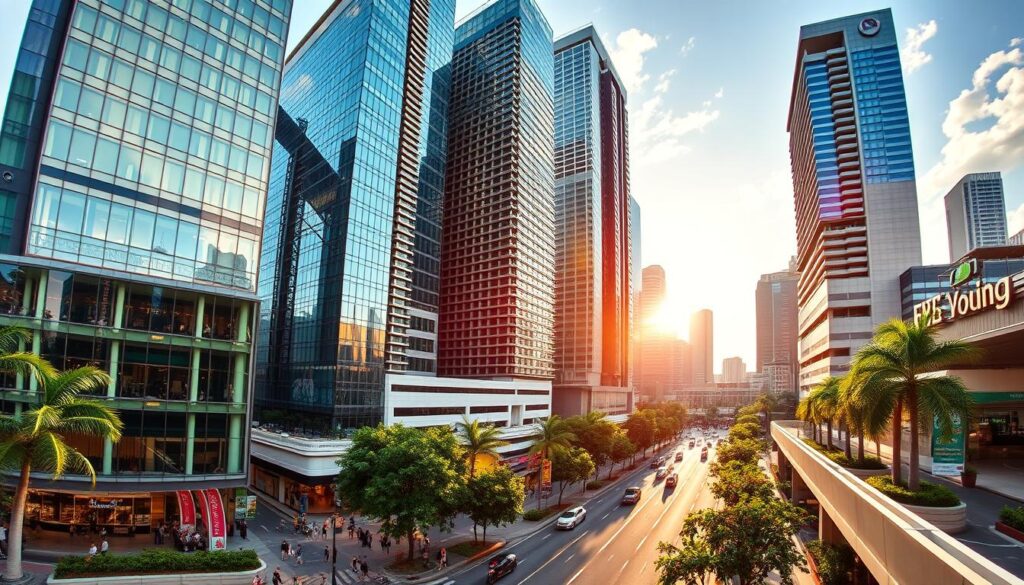
Investing in Singapore’s commercial real estate can be very profitable. But, it’s important to avoid common mistakes. The demand for commercial and industrial properties is high, attracting investors from around the world.
The market in Singapore is very competitive. To succeed, you need to understand the market, finances, and legal aspects well. Making mistakes can cost you a lot and harm your investment.
In this article, we’ll talk about the main mistakes to avoid in Singapore’s commercial real estate. This will help you make smart choices and increase your chances of success.
Key Takeaways
- Understand the unique characteristics of the commercial property market in Singapore, including higher upfront costs, specialized features, and varying rental yields.
- Conduct thorough market research to identify prime locations, assess rental demand, and evaluate the competition.
- Consider the impact of factors like accessibility, property management, and financial planning on the long-term viability of your investment.
- Engage with professional experts, such as real estate agents, lawyers, and financial advisors, to navigate the complex legal and regulatory landscape.
- Carefully monitor economic conditions and be prepared to adjust your investment strategy as needed to mitigate risks and capitalize on new opportunities.
Understanding the Commercial Property Landscape in Singapore

Singapore’s commercial property market is diverse and always changing. It includes Office Buildings, Retail Spaces, and Industrial Warehouses. The market is shaped by economic growth, business trends, and government policies. It’s vital for investors to keep up with these changes.
The Additional Buyer’s Stamp Duty (ABSD) exemption has made properties more appealing to foreign investors. This has led to a rise in demand for different types of properties. Investors are drawn to Singapore’s business-friendly environment.
Recent data shows the market’s shifting trends. For example, CBD Grade A office vacancy rates went up by 1.1 points in 2023. Orchard Road is now the 12th most expensive retail spot globally. The industrial market has seen rent and price hikes since 2020. Next year, 1.4 to 1.6 million square meters of industrial space will be added, up from 800,000 square meters in 2023.
Investors need to understand the market’s details to make smart choices. Keeping up with trends and regulations helps investors decide wisely. This is especially true for Office Buildings, Retail Spaces, or Industrial Warehouses in Singapore.
Not Conducting Thorough Market Research
Investing in Singapore’s commercial real estate is a big step. Not doing enough market research can lead to big mistakes. Experts in Property Management and Real Estate Development know that understanding local trends and market dynamics is key.
Good market research helps investors see if a property can increase in value or earn good rental income. They look at economic signs like GDP growth and job rates. They also check demographic data like population and income levels to understand demand.
Looking at vacancy and rental rates shows how the market is doing. Analyzing competitors and the location of properties is also important. This helps investors make smart choices.

It’s also important to know about local laws and regulations. This affects how profitable a property can be. By doing thorough research, investors can avoid risks and find great opportunities in Singapore’s real estate.
Ignoring Location and Accessibility
Investing in Singapore’s commercial real estate means location is key. A property’s nearness to transport, business areas, and amenities greatly affects its value. Not considering this can limit growth and make it hard to find good tenants.
Accessibility is also vital. How close a property is to public transport and how easy it is to get there matters a lot. Ignoring these can lead to more traffic and less appeal, hurting your investment’s worth.
Knowing the local market, its people, and competitors is crucial. Good market research helps spot opportunities and stand out. Keeping up with trends and what people want helps you succeed in a changing market.
Think carefully about location and how easy it is to get to. This helps you make smart choices for your investments in Singapore. Ignoring these can cause financial problems and missed chances. So, always put them first in your plans.
Overlooking Property Management Considerations
Effective property management is key to success in commercial real estate in Singapore. Investors need to pick good management teams and know the costs of upkeep. Ignoring these can cause higher expenses, unhappy tenants, and lower property value.
It’s important to review all property leases and tenancy documents. This helps catch important dates and rental details. For properties with many tenants, reviewing the mix is crucial to ensure a good balance.
Understanding cash flow is vital to see how investments perform. It shows changes in income and expenses. Regular checks on maintenance and safety codes are also necessary to avoid risks.
Being proactive in property handover and using checklists can prevent problems. This approach helps manage risks and improve investment performance.
Budgeting and forecasting are important in property management. They give insights into income and spending changes. Setting clear goals and reporting to clients is also essential for a good working relationship.

Ignoring the complexities of property management can harm investors in Singapore. Knowing the importance of good management helps investors increase their property’s value. This ensures long-term success in the market.
Underestimating Financial Planning and Budgeting
Investing in commercial real estate needs careful financial planning and budgeting. Investors must make realistic plans that cover all costs. This includes legal fees, stamp duties, renovation costs, and maintenance fees. Ignoring these costs can cause financial trouble and affect the investment’s return.
Experts suggest saving 10-15% of the purchase price for unexpected costs. Structural repairs and move downtime costs are often underestimated. When investing, remember to budget for financing, utilities, property tax, insurance, and maintenance.
Accurate financial planning is key. Research recent cost increases and forecast them accurately. Putting all costs and income into an annual income statement forecast helps evaluate the purchase’s feasibility. Also, track operating costs, capital expenditures, and property income in the annual budget.
By focusing on detailed financial planning and budgeting, investors can make smart choices. This approach helps reduce risks in Singapore’s commercial real estate market.
Failing to Inspect the Property Thoroughly
Getting a detailed property inspection is key for anyone looking into Commercial Property in Singapore. Skipping this step can cause unexpected costs and legal problems later. Professional checks can find hidden issues that might affect the property’s value or need big repairs.
Research shows up to 70% of property owners in Singapore face building code issues. Non-compliance rates vary by region and property type. Also, about 40% of commercial properties don’t meet accessibility standards, showing the need to ensure legal and safety compliance.
Thorough inspections also spot fire safety, plumbing, and occupant safety risks. Studies reveal nearly 80% of commercial properties have fire system problems. Also, 50% don’t meet health and safety standards, and over 50% have hazards that risk occupants. Fixing these issues early can avoid expensive repairs and legal troubles.
Investing in a detailed property valuation and inspection is vital for smart Commercial Property investments in Singapore. Ignoring this can lead to unexpected costs and legal issues, harming the investment’s financial health.
Relying Solely on Historical Data
Investors in Singapore’s real estate market should be careful not to just look at past data. The market changes a lot due to economic trends and government policies. It’s important to understand these changes to make smart investment choices.
The real estate scene in Singapore is always changing. This is because of things like population growth and new infrastructure. Looking at the current market and what’s coming next is key. This way, investors can spot new chances and avoid missing out.
Investors should use a mix of past data and current market trends. This approach helps them see the whole picture of the real estate world. It lets them find risks, check if investments are good, and plan for the future. In Singapore’s fast-changing real estate world, just looking at the past isn’t enough.
Not Seeking Professional Guidance
Investing in commercial real estate in Singapore can be tough. Getting help from experts is key. Real estate pros, financial advisors, and lawyers offer vital advice and help you avoid big mistakes.
Having a network of trusted advisors is crucial. They provide expert knowledge and support at every step. Real estate experts know the local market well and can find the best deals. Financial advisors help with budgeting and taxes. Lawyers make sure you follow the law.
Ignoring professional advice can lead to problems. You might pay too much or face unexpected legal or financial issues. With expert guidance, you make smart choices, reduce risks, and boost your investment’s potential in Singapore.
Neglecting Legal Due Diligence
Investing in Singapore’s commercial real estate without doing legal due diligence is a big mistake. This step is key to follow property laws and avoid legal and financial problems.
Legal due diligence means checking property titles, zoning rules, and possible legal issues. It’s important to work with legal experts to understand Singapore’s real estate rules. Without this, you might face title disputes, zoning problems, and hidden costs that harm your investment.
It’s also vital to understand leasing agreements and commercial loans. Looking over these can help you manage money, spot risks, and make smart choices. Skipping this can lead to bad contracts and money troubles.
Putting legal due diligence first helps avoid legal problems, makes transactions smooth, and sets up a good investment in Singapore. Spending time and money on this now can prevent expensive legal fights and financial issues later.
Misjudging the Impact of Economic Conditions
Investing in Singapore’s commercial real estate market needs a deep understanding of the economy. Investors who ignore the economic impact on their investments may face big financial problems. Factors like GDP growth, inflation, interest rates, and consumer spending affect commercial property performance.
A developer in Jacksonville, Florida, saw a 15% higher vacancy rate than expected because of local income levels. Over 30% of new commercial spaces in crowded markets also faced long vacancies, a CBRE study showed. Not understanding demand and demographic trends can lead to bad investment choices and big losses.
It’s important to analyze economic indicators and market data when looking at Real Estate Investment opportunities. Using predictive analytics and data insights helps investors predict market changes and make smart choices. Knowing how economic conditions affect Property Valuation helps investors buy and sell at the right time, making the most of good market conditions and avoiding risks.
Successful commercial real estate investment in Singapore needs a full grasp of the economic landscape and its effect on the property market. By staying updated, doing thorough market research, and using data-driven analysis, investors can handle the complex commercial real estate sector. This way, they can reach their financial goals.
Holding onto Properties for Too Long
In the world of commercial real estate in Singapore, knowing when to sell is key. Investors must regularly check their property portfolios and watch the market. This helps them find the best time to sell. Holding onto properties too long can lead to missed chances or lower returns, hurting long-term success.
The real estate market in Singapore changes often, with property values going up and down. Long-term ownership can bring stability and growth in value. But, it’s important to balance these benefits with the risks of market changes. By planning for timely and profitable sales, investors can get the most out of their investments and be ready for new opportunities.
When deciding how long to hold onto a property, consider market trends, property performance, and your investment goals. Keeping your investment strategy up to date helps you know when to sell. This way, you can make the most of your property’s value and avoid the effects of economic changes or shifts in the market.
