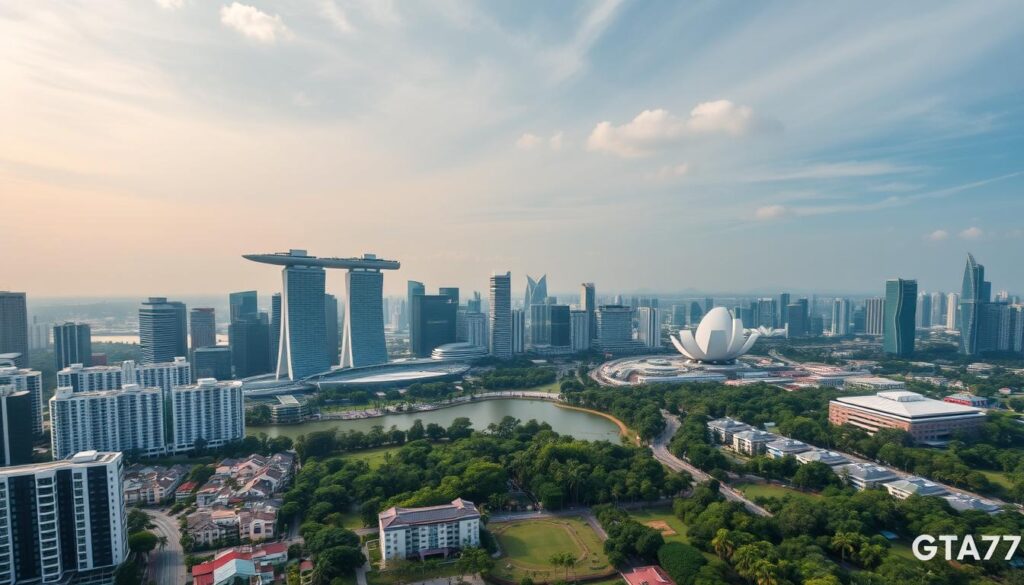
As the world economy changes, smart investors are looking at Singapore’s property market. They wonder if 2025 is the best time to invest. Singapore is known for its stability, strong economy, and great business environment. It’s a top choice for property investors around the globe.
We’ll look at the trends, economic signs, government plans, and new infrastructure in Singapore’s real estate. We’ll also talk about the changes in demographics and the chances for investment in different property areas. This will give you a full view to decide if 2025 is the right time to invest in Singapore’s real estate.
This article will help you understand the big economic forces and the rules in Singapore’s real estate. It’s useful for both experienced investors and new ones in the Singapore market. Knowing about the country’s property scene will help you make smart choices for your investments in the future.
Overview of Singapore’s Property Market Trends

The Singapore housing market is very interesting to investors and homebuyers. Over the years, it has grown a lot. This shows how strong and changing the Singapore property market is.
Looking at historical prices, we see a steady rise in Singapore property prices. The Singapore Housing Market Index shows this growth well. It shows how property values have gone up over time.
This growth comes from a strong economy, more people, and smart government policies.
Transaction volumes in the Singapore property market have changed a lot. There have been busy times and quiet times. But overall, the market is healthy and active. People are always interested in Singapore’s real estate.
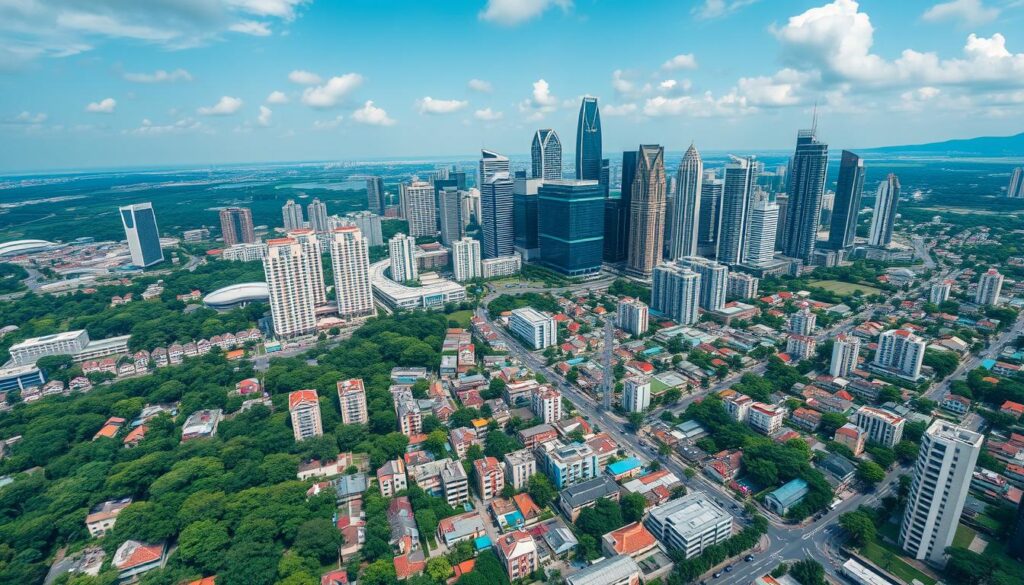
Now, the market feels cautiously optimistic. Despite global economic worries, Singapore’s property market is strong. It attracts both local and international investors. Looking to 2025, knowing the Singapore Housing Market and Property Prices well is key for smart investments.
Economic Indicators Influencing Property Investment
Thinking about investing in Singapore’s property market in 2025? It’s key to look at the economic signs that shape property values and investment choices. Singapore’s strong economy, job rates, and income levels are all important to think about.
Singapore’s GDP is set to keep growing, with forecasts showing steady increases. This growth can boost demand for Singapore property. A strong economy means more jobs and higher spending power for people.
The employment rate in Singapore is also crucial. The city-state has a low unemployment rate, showing its labor market is strong. Stable or rising employment means more people want to buy homes, pushing up property prices.
Income levels in Singapore are another big factor. The country has some of the highest incomes per person in the world. This can make people want to buy more premium and luxury homes, especially in good locations. As incomes go up, so might the interest in investing in Singapore property.
Government Policies Impacting Real Estate
The Singapore government shapes the real estate landscape with its policies and regulations. These actions greatly affect property investment and the residential market.
The government has introduced cooling measures to tackle housing affordability. These include loan-to-value limits, additional buyer’s stamp duty, and restrictions on foreign ownership. These policies help control speculative demand and keep the market stable.
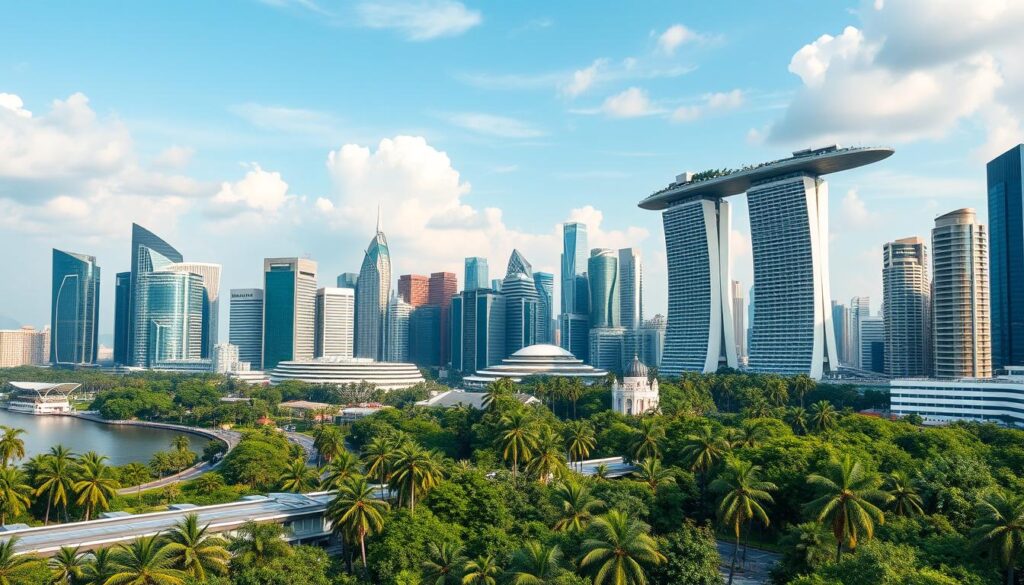
The government also offers incentives for foreign investment in residential properties. The Significant Investor Scheme gives permanent residency to certain investors. The Global Investor Program helps high-net-worth individuals enter the market.
It’s vital for investors to understand the government’s policy direction. This knowledge helps them navigate the Singapore property market effectively. By keeping up with changes, investors can make better decisions and seize opportunities in this dynamic market.
Infrastructure Developments Enhancing Property Values
Singapore is dedicated to improving its infrastructure. This effort boosts the property market. Projects like transportation upgrades and smart city plans will raise property values in the future.
The MRT system is a key part of Singapore’s public transport. New lines like the Thomson-East Coast Line and Cross Island Line will connect more areas. This will make properties near stations more sought after and valuable.
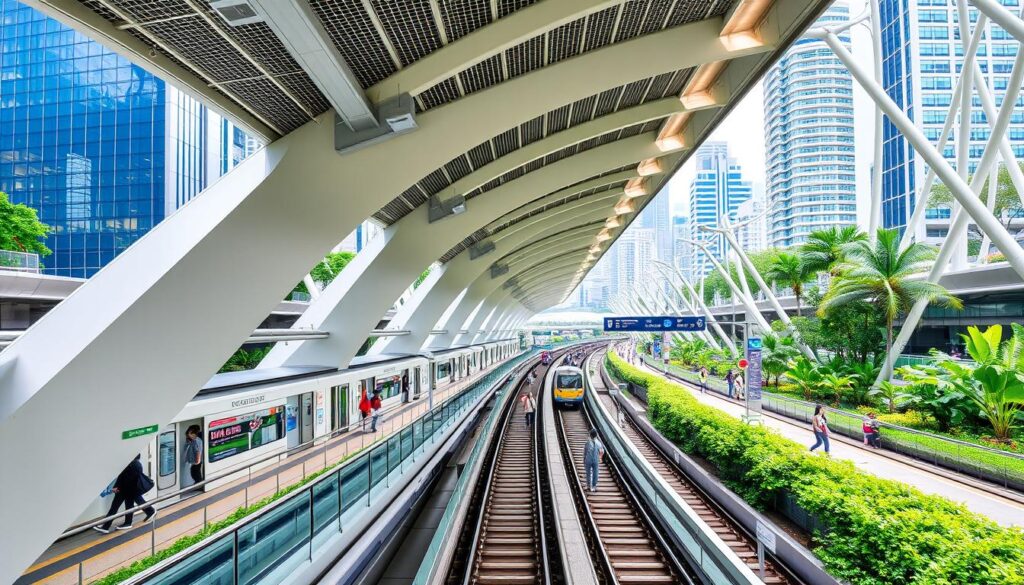
Singapore is also becoming a smart city. It’s using 5G, smart traffic systems, and green energy. These changes make living in Singapore better and more sustainable. They attract buyers who want modern, high-tech homes.
Investments in infrastructure are good for the property market. Properties in connected, tech-savvy areas will likely increase in value. 2025 is a great time for investors to look into Singapore’s real estate.
Demographics and Their Effect on Housing Demand
Singapore’s population is vibrant and diverse, driving its housing market. The city-state’s population is growing, with 6.9 million expected by 2030. This is up from the current 5.7 million.
The aging population, with a median age of 41.4 years, is also a big factor. Older Singaporeans want more compact, convenient, and accessible homes. This could change what types of homes are in demand.
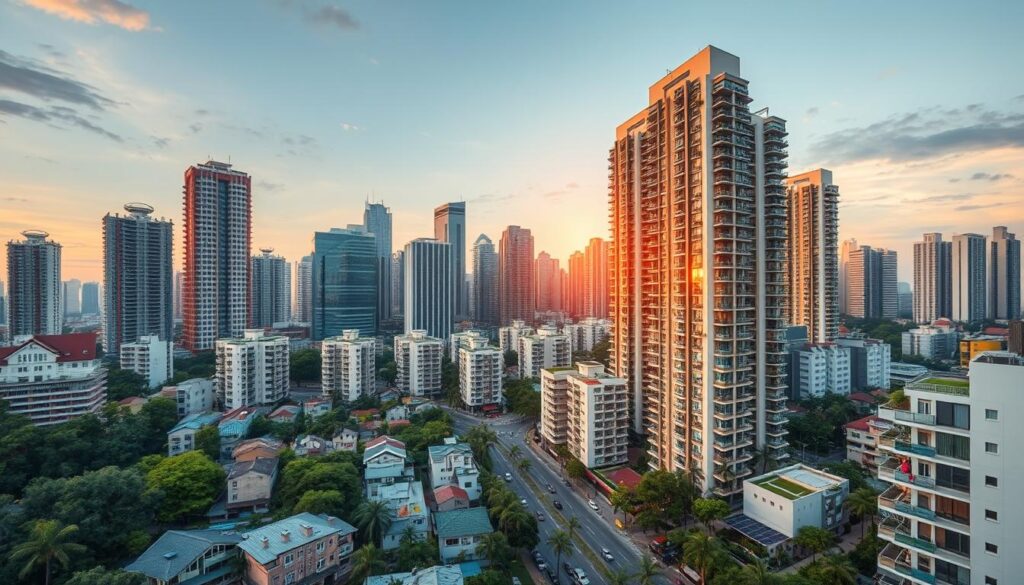
Moreover, Singapore’s wealth is rising, attracting high-net-worth individuals. Expatriates and high-income residents are looking for luxury homes. This demand is creating new opportunities in the housing market.
Investment Opportunities in Different Property Segments
Singapore’s real estate offers many investment chances. Both residential and commercial sectors have their own benefits and challenges.
The residential market, especially luxury properties, attracts investors. They seek stable returns and value growth. Singapore Luxury Properties are highly valued, drawing both local and international buyers. But, the government’s rules to prevent speculation can limit opportunities. Investors must understand the market and rules well.
The commercial real estate sector, including office, retail, and industrial properties, is also attractive. It can offer higher rental yields. Yet, it’s more affected by economic changes. Investors need to consider tenant demand, lease terms, and growth potential carefully.
Choosing between residential and commercial investments depends on several factors. These include risk tolerance, investment time frame, and financial goals. By studying each segment, investors can find the best opportunities in Singapore’s property market.
Risks to Consider Before Investing in 2025
The Singapore property market is changing, and investors need to think carefully before investing in 2025. The country’s property and real estate markets have been strong. But, there are risks that could affect how much money you make.
Economic ups and downs are a big worry. Singapore’s economy is tied to the world’s and can be affected by politics. If the economy slows down, the property market might too. This could hurt how much you can rent out your property for and how much it’s worth.
There’s also a chance of too many properties being built. With more projects and people moving in, some areas might have too many homes. This could make it harder to find renters and lower property values.
Government rules can also change the game. New taxes, loan rules, or zoning laws can shift the market. It’s key for investors to keep up with these changes and be ready to adjust.
Even with these risks, Singapore’s property market is still appealing to many. By doing your homework, spreading out your investments, and watching the market, you can find good chances in 2025.
Comparative Analysis: Singapore vs. Regional Markets
Looking at Singapore’s property market, it’s key to compare it with others in the area. Singapore’s property prices have grown steadily, making it a great spot for investment.
Compared to Southeast Asia, Singapore’s market is more mature and stable. Property values here have beaten many regional markets, offering a secure place for investors.
The Singapore market benefits from the government’s strong economic policies and legal system. This reduces risks and volatility, attracting both local and foreign investors.
While places like Malaysia, Indonesia, and Thailand might have lower prices, Singapore offers better liquidity and returns. For those seeking stability, Singapore is a top choice compared to its neighbors.
Conclusion: Making an Informed Investment Decision
Singapore’s property market in 2025 offers many opportunities for investors. The market is strong thanks to a solid economy, good government policies, and new infrastructure. This makes it a great place for those looking to invest in real estate.
Singapore Property Agents and Singapore Property Developers are key in helping investors. They know the market well and can guide investors. They help spot the best places to invest, whether it’s homes, offices, or factories.
Investing in Singapore is tempting, but it’s important to be careful. It’s crucial to understand the market, the economy, and any risks. With careful planning and the right advice, investors can make smart choices. This way, they can reach their financial goals and have a bright future in Singapore.
FAQ
What are the current trends in Singapore’s property market?
How have economic indicators in Singapore influenced property investment decisions?
What government policies have impacted the real estate sector in Singapore?
How have infrastructure developments in Singapore affected property values?
How have demographic changes in Singapore influenced the housing market?
What are the investment opportunities in various property segments in Singapore?
What are the key risks to consider when investing in Singapore’s property market in 2025?
How does Singapore’s property market compare to other regional markets?
